Food As Medicine for Maternal Health and High-Risk Pregnancy: Examining the Immediate and Long-term Impacts of Maternal Nutrition as an Intervention
Food As Medicine for Maternal Health and High-Risk Pregnancy: Examining the Immediate and Long-term Impacts of Maternal Nutrition as an Intervention
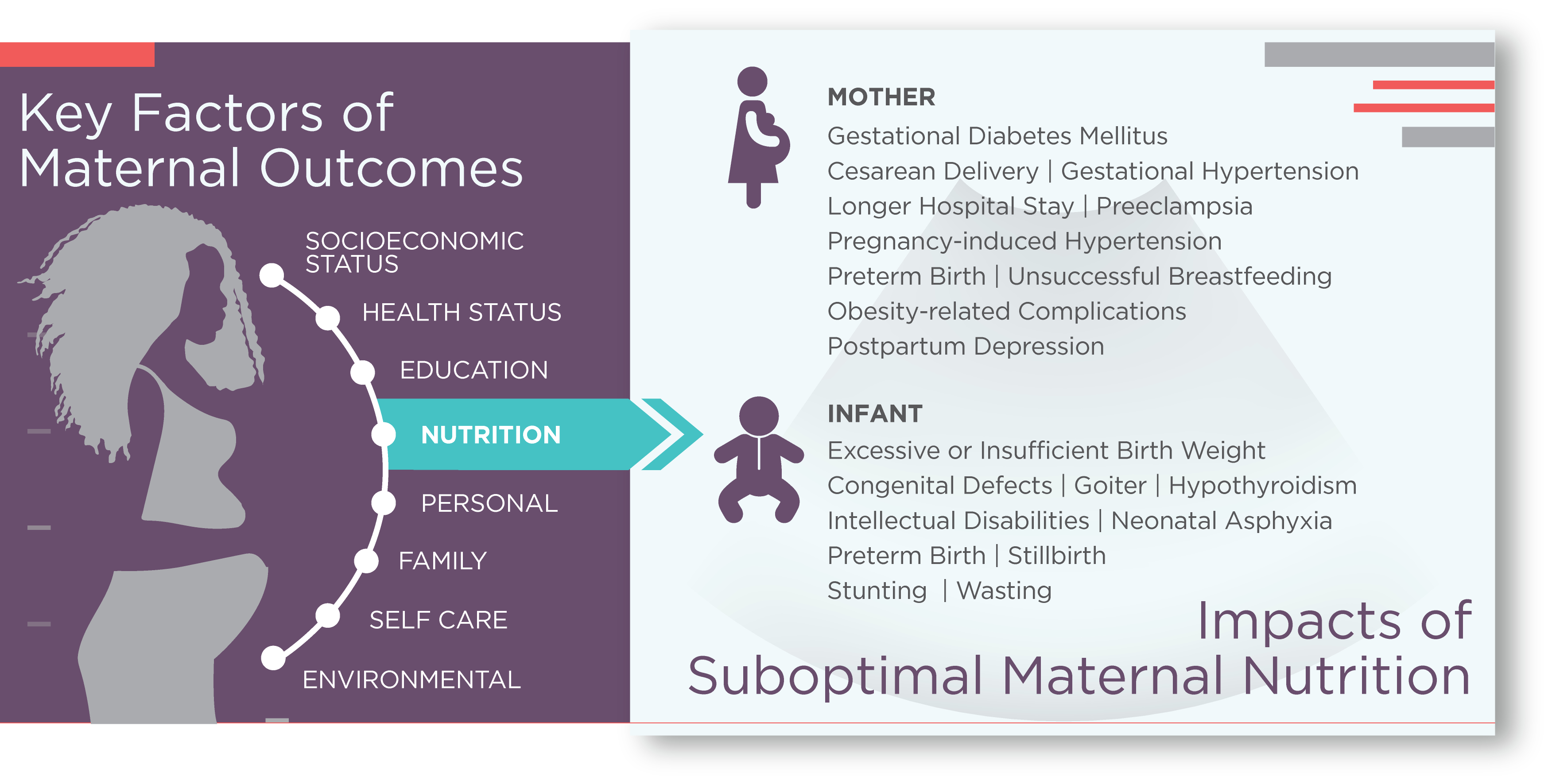
HOUSTON--(BUSINESS WIRE)--How can a country that leads the world in medical innovation and healthcare spending per capita have a maternal health crisis? Maternal mortality in the U.S. far outstrips that of other industrialized nations, at 23.8 deaths per 100,000 live births. We have 2.2 million American women living in maternity care deserts. The rate of gestational diabetes has increased 30% in young U.S. women over the past decade. Even more concerning, worsening, mostly preventable maternal health risks have an outsized effect on BIPOC, rural and low-income women.
Pregnancy healthcare providers have long recognized the importance of nutrition before, during, and after pregnancy. Suboptimal diets are a leading risk factor for chronic diseases such as obesity, hypertension, and diabetes, that significantly impact maternal health. Food-as-medicine interventions provide access to optimal nutrition, reduce risk factors and improve outcomes, help to lower the overall cost of care, and must become a formal, consistent component of pregnancy and postpartum care.
“The outsized impact our maternal health crisis is having on our black mothers, rural mothers, low-income mothers, and their communities is alarming. Effectively addressing social determinants of health and maternal health inequities requires collaboration with government, nongovernment and private sector partners,” said Dr. James Gillespie, Chief Health Officer at Umoja Food For Health and a member of the Milken Institute’s Food Is Medicine Task Force. In their white paper Food For Health: the positive economic, medical, and social impact of maternal nutrition as an intervention, Dr. Gillespie and co-author Dr. Gregory Privitera of St. Bonaventure University explore key findings indicating the significant influence food and nutrition access have on aspects of maternal population health, optimal fetal development, improved perinatal survival, and overall short- and long-term health of the baby.
Nutrition security during pregnancy is critical. Consistent, equitable access to healthy, safe, affordable foods is essential to optimal health and wellbeing. “Preexisting chronic diabetes and obesity, and the development of gestational diabetes increase risks of serious complications during pregnancy and delivery. These conditions can be managed, and in some cases prevented through diet, exercise, and stress management. Food as medicine interventions play a key role by providing for optimal nutrition and addressing food and nutrition insecurity stressors,” says Gillespie.
To prioritize women’s health before, during and after pregnancy; to reduce maternal risk factors and mortality rates; and to ensure health equity, reduce spending and build healthier communities we must look at maternal health through a broader lens. We must address barriers to optimal nutrition and food access. We must adopt more food-as-medicine initiatives across public and private spheres, and at local, state, and federal levels for pregnant women, future mothers, and the health of the next generation.
About Umoja Food For Health
Food For Health offers medically tailored meal, grocery and produce programs delivering nutritious foods and educational tools to improve health, address social determinants of health, and support the prevention or management of chronic conditions. Food For Health is a division of Umoja Supply Chain Solutions. Umoja leverages decades of expertise in food and logistics to tackle big problems with big solutions through four core divisions – Food For Health, Hunger Relief, Third-party Logistics, and Government. Umoja is mission-driven, with a focus on ensuring equity and access to quality food and healthcare for all. www.umojasupply.com/food-for-health. https://www.linkedin.com/company/umoja-supply/.
Contacts
Melissa Hunter
Food For Health, Umoja Supply Chain Solutions
(832) 968-6117
Mhunter@umojasupply.com
www.umojasupply.com