Experience Indigenous Ainu and Jomon Culture in Hokkaido – Japan National Tourism Organization (JNTO)
Experience Indigenous Ainu and Jomon Culture in Hokkaido – Japan National Tourism Organization (JNTO)
TOKYO--(BUSINESS WIRE)--Japan’s northernmost main island of Hokkaido is well known for its world-class powder snow, delicious food and unspoiled nature. Few people outside the country, however, are aware of one of Hokkaido’s more unique aspects: it is home to an ethnic group indigenous to northern Japan known as the Ainu.
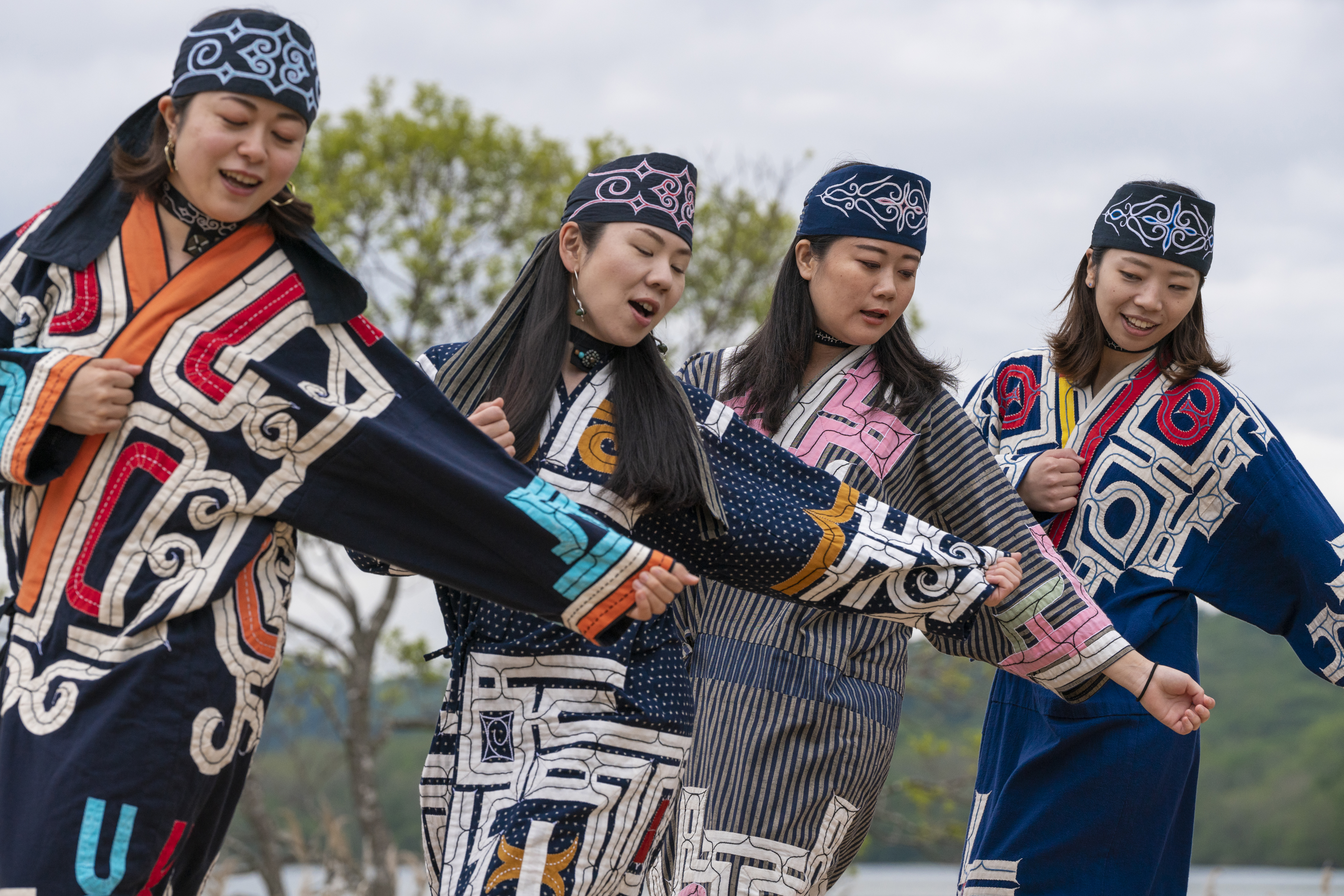
The Ainu culture is believed to have emerged sometime between the 12th and 13th century and embodies the belief that spirits are present in every part of the natural world. Its people became skilled at various crafts, including woodcarving, embroidery, knitting and weaving, and they developed a series of traditional dances that were performed at social gatherings.
However, it has proved difficult to preserve these traditions, given the shrinking numbers in the Ainu community able to pass them on, and there is limited understanding of Ainu culture. The number of those who speak the Ainu language, which is unrelated to Japanese, has dwindled.
To preserve and promote Ainu culture, the National Ainu Museum and Park, also known as Upopoy, opened in Shiraoi, Hokkaido, in July 2020. “Upopoy” means “singing in a large group” in the Ainu language, and reflects the facility’s mission to provide a place for people to gather and learn as a community, and to foster a society with diverse cultures in which indigenous people are treated with respect.
The Upopoy facility—the first of its kind dedicated to Ainu history and culture—features a museum, an open-air culture center and a memorial site, all providing opportunities for visitors to experience and interact with the Ainu culture. The permanent exhibits explore six themes, including the Ainu language, spirituality and customs, and the interaction of the Ainu with other ethnic groups.
At the open-air culture center in the National Ainu Park, visitors can watch traditional dances and participate in hands-on activities including performing arts, cooking and crafts. The outdoor environment is an essential aspect of the Ainu culture, with its focus on coexistence with nature.
The restaurant and food court offer great samples of Ainu cuisine, including deer meat and salmon dishes. They deploy traditional cooking methods and use authentic ingredients from Hokkaido to create meals that are delicious and refreshing.
Just an hour’s drive from Upopoy, insights into more ancient history await visitors to Jomon-era sites in the southern part of the prefecture; these were included in the 17 locations in Northern Japan added to the UNESCO World Cultural Heritage Sites in July 2021. The Jomon era commenced about 15,000 years ago and lasted until 2,400 years ago.
Burial sites dating back to between 3,500 BCE to 800 BCE are located in Irie and Takasago in Toyako town in southwestern Hokkaido, facing the picturesque Uchiura Bay. Irie was a residential and a burial area; shells, fish and mammal bones and antler remains have been discovered there; the Takasago site yielded burial items such as pots and stone tools, some of them colored with a red powder pigment. These sites provide a fascinating glimpse into the lives of people in ancient times and into a spiritual culture influenced by the natural beauty of the four seasons.
Both the Jomon and Ainu cultures have played a significant role in shaping present-day Hokkaido. Once COVID-related travel restrictions are lifted, JNTO would like to encourage overseas visitors to embark on a journey to discover more of this lesser-known part of Japanese history in its northernmost regions.
For more content for your articles and story ideas, visit Japan Online Media Center (JOMC).
Contacts
Jasmine Li
Weber Shandwick JNTO Team
media_inquiry@jnto.go.jp