Independent Study Is the Jumbo Shrimp of Education
Independent Study Is the Jumbo Shrimp of Education
Learn4Life offers 10 questions parents need to ask of their school’s independent study program
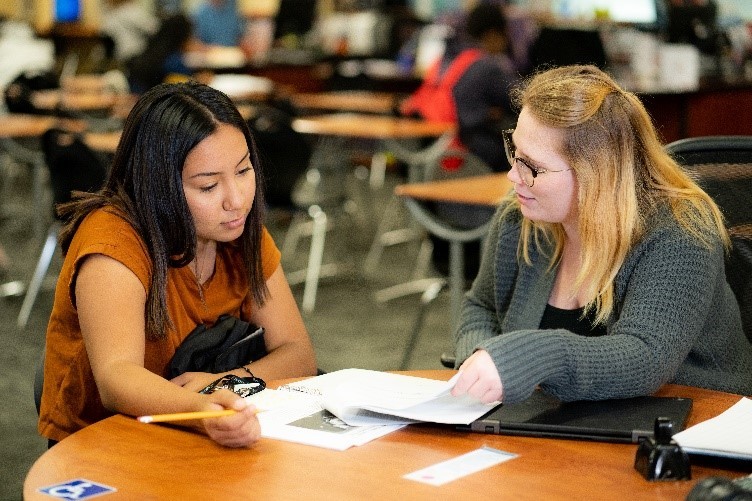
LOS ANGELES--(BUSINESS WIRE)--Just like the oxymoron “jumbo shrimp,” independent study is incongruous as a term because when implemented correctly, this style of learning surrounds students with support and resources, rather than leaving them to learn on their own.
Independent study in California is growing in popularity since the pandemic with more than 130,000 students enrolled in this school year. Yet there are no statewide standards established for independent study and many teachers have never taught this way before, so the quality varies widely from school to school. Ideally, independent study should address individual student needs and learning styles, enabling them to complete their academics outside the traditional classroom setting.
Click to Tweet: Here are 10 questions parents should ask when considering this type of program for their child:
-
How long has the independent study program been in place? Programs that have been around for a while are well-suited to be nimble in delivery of the education, whether it is in-person, hybrid or an online approach.
-
Can you test or demo the program or do a virtual tour? Ask to see sample work assignments and lessons to understand how rigorous the program is and what is expected of their child.
-
Are there in-person options? A hybrid program that offers multiple weekly opportunities for in-person instruction is ideal.
-
How much one-on-one time is offered to the student on a weekly basis? Look for schools that provide real-time, synchronous instruction from the teacher with in-person instruction, virtual classrooms and constant communication.
-
What kind of technology and support is available for students? Students should have access to laptops, hot spots, and tech support at no cost to ensure they are equipped and able to learn.
-
Does the program allow year-round enrollment? When parents and students decide independent study is the best option, they shouldn’t have to wait until the next school year or semester. Be informed about the expected duration of a waiting list if one exists.
-
What is the curriculum, and does it include extracurriculars? Independent study programs ought to apply the district-adopted curriculum which can range from A-G courses and Advanced Placement to Intervention or Personalization. Do students have access to extracurricular activities like sports, experiential learning, career technical education, art, music, etc.?
-
What kind of student support is available? Free tutoring, social work, counseling and mental health support opportunities should be available at no cost. The teacher-student relationship is an important factor in academic success.
-
What type of teacher support is available to help them best serve students? Ongoing teacher training and professional development in independent study and pedagogy is essential, whether in-person, hybrid or online.
- How much parent involvement is necessary? Parents need to understand how much time they will realistically need to devote to their child’s learning. How frequent and detailed are communications to parents to effectively track progress toward educational goals? Most parents want to be in the know on a weekly basis.
Learn4Life, a network of nonprofit public high schools, has provided personalized learning for 20 years, which includes but is not limited to independent study.
“Personalized learning combined with independent study is ideal for students who need support as they prepare for life beyond high school,” explained Lindsay Reese, area superintendent. “Flexibility is a key component since many students need to work or take care of young children and can’t be in a classroom 30+ hours per week. And our students do better and are less likely to drop out when they enroll in college or get a full-time job because they know how to self-motivate, prioritize and manage their time to complete their assignments and responsibilities.”
For more information about Learn4Life and its personalized learning educational model, one-on-one attention, trauma-informed approach and wraparound services, visit www.Learn4Life.org.
About Learn4Life
Learn4Life is a network of nonprofit public schools that provides students personalized learning, career training and life skills. Each school is locally controlled, tuition free and gives students the flexibility and one-on-one attention they need to succeed. Serving more than 47,000 students – including full-time and intersession students – we help them prepare for a future beyond high school. For more information, please visit www.learn4life.org.
Contacts
MEDIA CONTACT
Ann Abajian, Learn4Life
(844) 515-8186
PR@learn4life.org