Should We Fail Struggling Students or Lower Standards?
Should We Fail Struggling Students or Lower Standards?
Learn4Life-North Charleston students advance by mastering each subject as they complete credits for graduation
Learn4Life-North Charleston students continue their education during the pandemic in onsite instruction with physical distancing and safety protocols
NORTH CHARLESTON, S.C.--(BUSINESS WIRE)--High absenteeism and failing grades have plagued high schools since the beginning of the global COVID-19 pandemic, yet many educators are still in the dark about how instruction models and delivery methods need to change.
According to a 2018 report by the Hamilton Project at the Brookings Institution, nearly eight million students in the nation were chronically absent. South Carolina had a chronic absenteeism rate of 11.3% for the 2015-16 school year highlighted in the Hamilton Project report.
“Many schools have chosen to either fail students or simply pass them through to the next grade,” said Steven Rayzer, principal of Learn4Life-North Charleston High School. “No one is at fault for the crises we are experiencing. However, not offering alternative learning solutions or providing passing grades when the learning didn’t take place robs students of the opportunity to learn the material. Simply moving students along to the next grade or more difficult subject sets them up for future failure.”
Many teens were bored and struggling with remote learning. Teachers used videoconferencing to lecture to kids who read at different grade levels and with varying attention spans, special needs or those for whom English is a second language. The traditional high school model of five or six courses with 25-40 students per class doesn’t translate directly to remote learning.
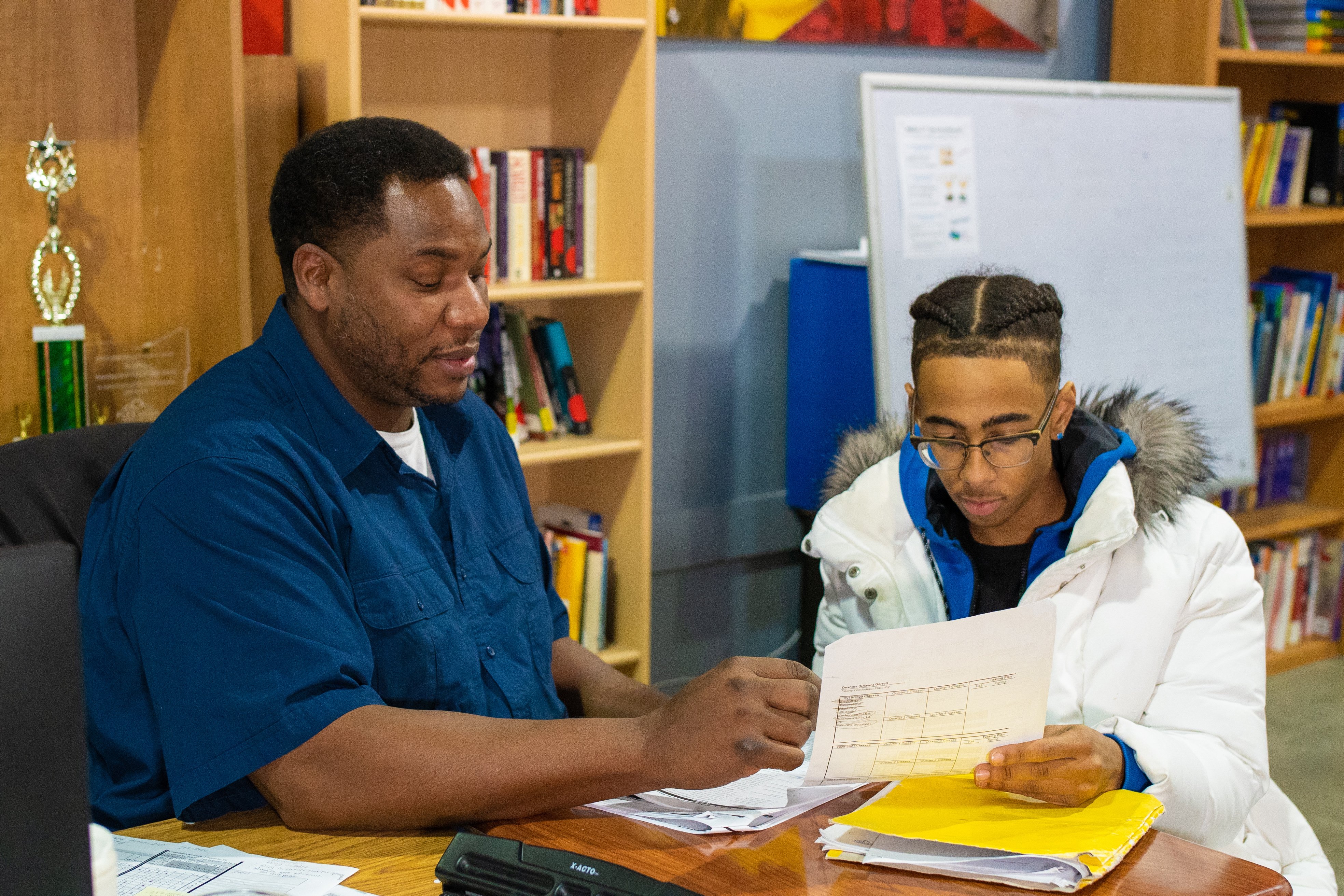
“We recognize that every student learns at a different pace and responds better to various teaching methods. I’m a huge believer in personalized education and one-on-one attention for students,” Rayzer said. “Some students learn best in small groups, others with one-on-one tutoring or through experimentation. Others thrive in a classroom model or independently. We assess students’ learning needs and let them progress faster with courses they easily master and spend more time on subjects that are challenging for them.”
Learn4Life-North Charleston is part of a network of public charter high schools that focus on at-risk students who are behind in credits or who had dropped out. Most are students of color, low income, and have adult responsibilities like caring for a child or working, which prevents them from succeeding in traditional schools.
Flexibility is the cornerstone of how Learn4Life-North Charleston’s personalized learning model is structured. Students manage their own time and schedules with guidance from teachers. There is a mix of small group instruction, larger labs and one-on-one learning depending on what the student needs for a particular subject area.
With stay-at-home ordinances and distance learning, students continued their meetings with teachers and tutors virtually. Students had access to remote one-on-one instruction and group labs, tutoring and counseling and special ed IEP meetings. Hot spots and devices were offered to students who needed them.
Rayzer is an advocate of students receiving a no-fault, “incomplete” grade, rather than being failed. It is like incomplete grades given to college students when they miss a significant amount of coursework due to a severe illness, for example. Students are given time to complete their coursework either concurrently with other subjects or during the summer.
About Learn4Life
Learn4Life is a network of nonprofit public schools that provides students personalized learning, career training and life skills. Each school is locally controlled, tuition free and gives students the flexibility and one-on-one attention they need to succeed. Serving more than 47,000 students – including full-time and intersession students – we help them prepare for a future beyond high school. For more information, please visit www.learn4life.org/southcarolina.
Contacts
Ann Abajian, Learn4Life
(844) 515-8186
PR@learn4life.org