Caterpillar and Argonne project shifts heavy-duty engine design into higher gear
Caterpillar and Argonne project shifts heavy-duty engine design into higher gear
Argonne is helping Caterpillar simulate ways to improve efficiency and reduce emissions in their heavy-duty diesel engines
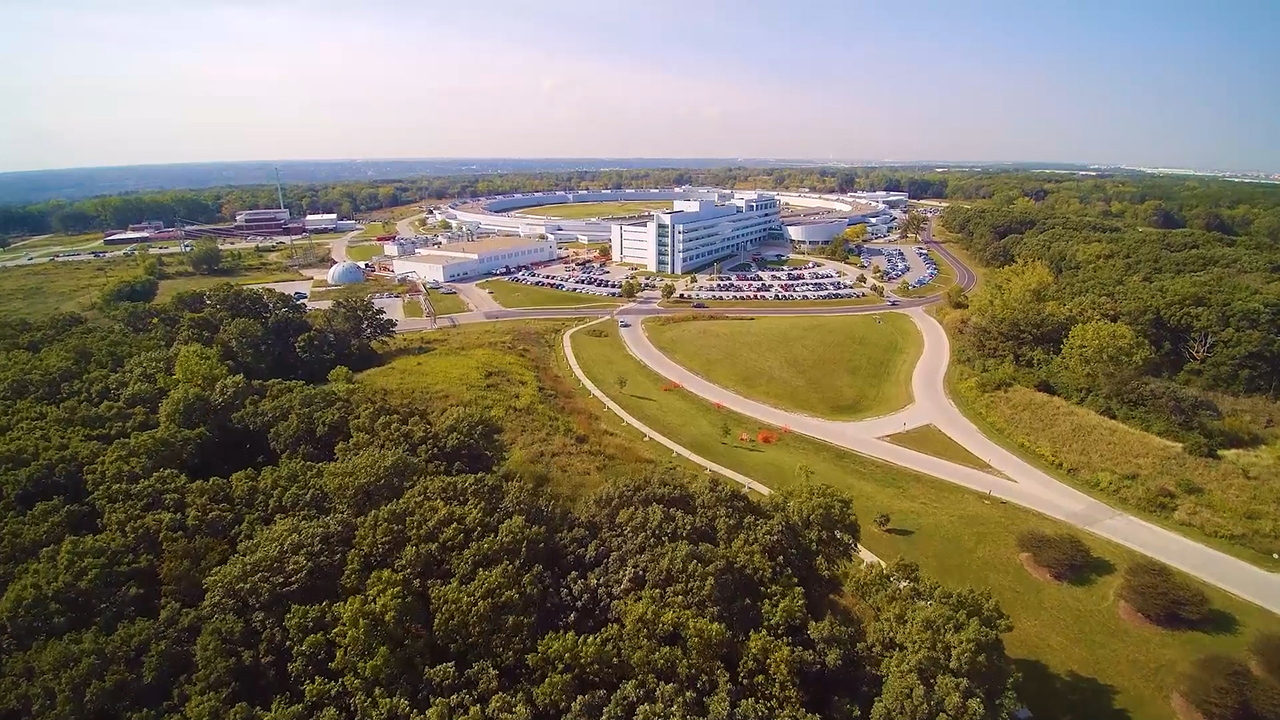
LEMONT, Ill.--(BUSINESS WIRE)--Heavy-duty diesel engines still power most large vehicles used in the construction, mining and transportation industries in the United States. Engineers are working to improve the fuel efficiency of these engines while minimizing pollution to reduce energy consumption and ensure the sustainability of these industries in the future.
To tackle this problem, researchers at the U.S. Department of Energy’s (DOE) Argonne National Laboratory joined forces with Caterpillar Inc., one of the world’s largest manufacturers of construction and mining equipment. Taking advantage of Argonne’s high-performance computing resources, researchers developed a potential piston design for Caterpillar’s engines that could improve fuel efficiency while reducing harmful emissions.
The team first created a framework to optimize combustion system design using a 3D computational fluid dynamics tool called CONVERGE, developed by Convergent Science, Inc. Merging heat transfer and combustion data derived from CONVERGE models with environmental data on soot and nitrogen oxide (NOx) production, they then ran hundreds of high-fidelity simulations to develop promising designs for piston bowls — the combustion chambers in diesel engines.
Using this method, they were able to identify several designs that had the potential to improve fuel efficiency while reducing emissions. Caterpillar created prototypes of the top-performing designs using additive manufacturing techniques to validate the model results.
One particularly promising piston bowl design improved the mixing process between fuel and air, helping to improve the efficiency and reduce emissions. Researchers found that it could reduce fuel consumption by nearly 1 percent, a measurable improvement, while reducing soot by up to 20 percent.
In addition to the project’s simulation innovations, one of the team’s key contributions was its development of an industry-friendly approach, which allows companies to optimize their engine designs using their own in-house computer systems. This simplified model, based on the results of hundreds of the complex simulations, provides a similar level of accuracy while reducing the computational requirements by as much as 40 percent.
Contacts
Christopher J. Kramer
Head of Media Relations
Argonne National Laboratory
Office: 630.252.5580
media@anl.gov