Feinstein Institutes secures $3.37M grant to strengthen first responder mental health and resilience
Feinstein Institutes secures $3.37M grant to strengthen first responder mental health and resilience
New research study aims to treat PTSD and depression, in collaboration with Stony Brook University and Texas A&M
MANHASSET, N.Y.--(BUSINESS WIRE)--Recent reports show that one in seven first responders have probable post-traumatic stress disorder (PTSD) in response to routine duties with prevalence increasing after responding to a crisis. To improve our understanding and the well-being of these essential heroes, researchers at Northwell Health’s Feinstein Institutes for Medical Research, Stony Brook University and Texas A&M University received a $3.37-million grant from the National Institute of Mental Health (NIMH). The five-year, multi-site clinical trial aims to significantly improve the mental health and resilience of first responders across the nation.
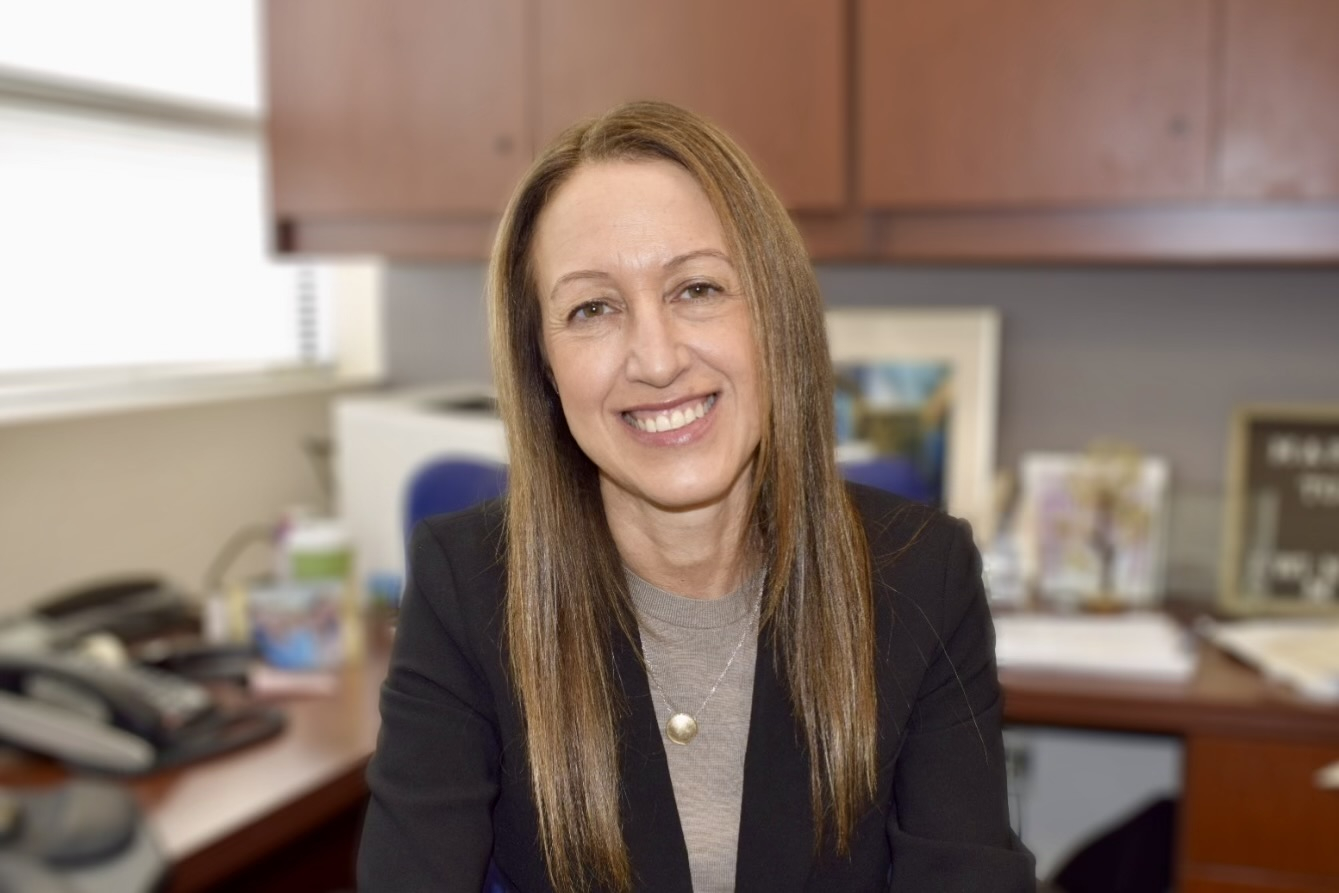
The study, titled “A Large-Scale Efficacy Trial of a Resilience Training Program for First Responders” – led by Rebecca Schwartz, PhD, associate professor at the Feinstein Institutes’ Institute of Behavioral Science and senior director of clinical research with Northwell’s Department of Occupational Medicine, Epidemiology and Prevention, along with Adam Gonzalez, PhD, of Stony Brook University and Anka Vujanovic, PhD, of Texas A&M – will conduct a large-scale efficacy trial of the Worker Resilience Training (WRT) program, an interactive workshop designed to equip first responders with crucial skills to manage stress, promote healthy lifestyle behaviors and prevent the development or worsening of mental health conditions like PTSD and depression.
“First responders face a heightened risk for mental health conditions due to chronic exposure to trauma; COVID-19 demonstrated that firsthand. It’s our duty to support their well-being, especially their mental health,” said Dr. Schwartz. “This NIMH grant allows us to rigorously test a preventative intervention that has the potential to significantly enhance resilience and reduce the burden of PTSD and depression in this critical population.”
Earlier research led by Drs. Gonzalez and Schwartz, including a randomized clinical trial with Hurricane Sandy responders, demonstrated the WRT program’s potential to prevent mental health symptoms and promote adaptive coping. Building on these promising initial results, the new study will rigorously evaluate the WRT program in 800 first responders in New York and Texas. The research will compare the clinical trial group to a time-matched control workshop.
Key aims include measuring improvements in resilience indicators such as healthy lifestyle behaviors, stress management, physical activity and perceived resilience. A critical aspect of the study is to determine if the WRT program effectively prevents the development or worsening of psychological symptoms and functional impairments in first responders who are exposed to traumatic events after participating in the workshop.
“The COVID-19 pandemic highlighted the toll of chronic stress on first responders,” said Kevin J. Tracey, MD, president and CEO of the Feinstein Institutes and Karches Family Distinguished Chair in Medical Research. “Dr. Schwartz’s research provides scientific insights and new strategies to enhance mental well-being and resilience for essential workers.”
This research holds significant public health implications by providing an evidence-based, scalable, and impactful preventative intervention. It has the potential to reduce personal and financial costs for responders, their families and society at large.
About the Feinstein Institutes
The Feinstein Institutes for Medical Research is the home of the research institutes of Northwell Health, the largest health care provider and private employer in New York State. Encompassing 50+ research labs, 3,000 clinical research studies and 5,000 researchers and staff, the Feinstein Institutes raises the standard of medical innovation through its six institutes of behavioral science, bioelectronic medicine, cancer, health system science, molecular medicine, and translational research. We are the global scientific leader in bioelectronic medicine – an innovative field of science that has the potential to revolutionize medicine. The Feinstein Institutes publishes two open-access, international peer-reviewed journals Molecular Medicine and Bioelectronic Medicine. Through the Elmezzi Graduate School of Molecular Medicine, we offer an accelerated PhD program. For more information about how we produce knowledge to cure disease, visit http://feinstein.northwell.edu and follow us on LinkedIn.
Contacts
Julianne Mosher Allen
516-880-4824
jmosherallen@northwell.edu