Northwell Health Researcher Shows Vitamin D Could Improve Insulin-producing Cells in Children With Type 1 Diabetes
Northwell Health Researcher Shows Vitamin D Could Improve Insulin-producing Cells in Children With Type 1 Diabetes

MANHASSET, N.Y.--(BUSINESS WIRE)--Approximately 352,000 Americans under the age of 20 have type 1 diabetes, and every year 64,000 Americans more are diagnosed. To help children and young people navigate type 1 diabetes, new research from Cohen Children’s Medical Center and The Feinstein Institutes for Medical Research at Northwell Health shows that taking vitamin D could help improve the function of insulin-producing cells.
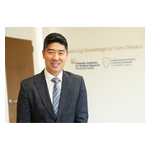
The study, which was published today in the Journal of the American Medical Association and led by Benjamin Nwosu, MD, chief of endocrinology and director of the diabetes center at Cohen Children’s and researcher with the Feinstein Institutes, looked at a group of young people, ages 10 to 21, who were recently diagnosed with type 1 diabetes. The research showed that by taking high-dose vitamin D, patients saw improvement in the function of insulin-producing cells which could extend the “honeymoon phase” of type 1 diabetes.
The honeymoon phase of type 1 diabetes is a crucial time when treatments can make a difference in the long-term outlook of the disease. This research shows that by adding vitamin D, which is inexpensive and easy to obtain, one can make this phase of diabetes last longer.
“Type 1 diabetes affects millions of people and treatment options can often be costly,” said Dr. Nwosu, who is the principal author of the paper. “It is exciting to know that vitamin D could protect the beta cells of the pancreas and increase the natural production of good and functional insulin in these patients. This, in turn, prolongs the honeymoon phase of type 1 diabetes and leads to reduced long-term complications of this disease.”
When a patient is diagnosed with type 1 diabetes, their pancreas does not make enough insulin, a hormone that moves blood sugar into the cells of the body for energy production. Without insulin, blood sugar cannot get into the cells and instead build up in the bloodstream, which could be damaging to the body and cause the symptoms and complications of diabetes.
As part of the 12-month randomized clinical trial, one group took ergocalciferol (a type of vitamin D) as treatment, while the other group took a placebo. Researchers found that taking the vitamin D supplement reduced the proinsulin to C-peptide ratio and delayed the loss of C-peptide more than the placebo did. This means that vitamin D protects the cells that make insulin and ensures that good insulin is made.
“Repurposing commonly used supplements such as vitamin D, which is known to be safe and effective for other ailments, presents an opportunity to continue developing other therapies needed to treat type 1 diabetes,” said Charles Schleien, MD, MBA, senior vice president and chair of pediatric services at Northwell Health, and the Philip Lanzkowsky Chair and Professor of Pediatrics at the Zucker School of Medicine at Hofstra/Northwell. “Dr. Nwosu’s research is another step forward to continue our understanding of diabetes and the development of more affordable, yet effective treatment options.”
This research builds on Dr. Nwosu’s previous work, which showed that the use of high-dose vitamin D supplementation was safe and effective to improve glucose control and prolong the partial clinical remission phase of type 1 diabetes in children and adolescents.
About the Feinstein Institutes
The Feinstein Institutes for Medical Research is the home of the research institutes of Northwell Health, the largest health care provider and private employer in New York State. Encompassing 50 research labs, 3,000 clinical research studies and 5,000 researchers and staff, the Feinstein Institutes raises the standard of medical innovation through its five institutes of behavioral science, bioelectronic medicine, cancer, health system science, and molecular medicine. We make breakthroughs in genetics, oncology, brain research, mental health, autoimmunity, and are the global scientific leader in bioelectronic medicine – a new field of science that has the potential to revolutionize medicine. For more information about how we produce knowledge to cure disease, visit http://feinstein.northwell.edu and follow us on LinkedIn.
Contacts
Julianne Mosher Allen
516-880-4824
jmosherallen@northwell.edu