Encounter Nature and Wildlife in Japan’s National Parks - Japan National Tourism Organization (JNTO)
Encounter Nature and Wildlife in Japan’s National Parks - Japan National Tourism Organization (JNTO)
TOKYO--(BUSINESS WIRE)--Many countries have designated areas of natural beauty as national parks, aiming to preserve outstanding natural scenery and protect local ecosystems. Japan designated its own first national parks—Setonaikai, Unzen and Kirishima—in 1934, and the country now boasts 34 of them.
Japan’s national parks incorporate a fair amount of privately owned land, including residential areas, farms and forested areas, providing visitors with a glimpse of local cultures and long-standing traditions. These include rice cultivation, sake brewing, and bathing in hot springs, all of which have inseparable connections with the natural world. The parks help preserve these connections and are therefore testament to the enduring relationship between humans and nature.
National parks in Japan are administered in collaboration with a wide range of stakeholders. The aim is to protect the surrounding natural environment while respecting local lifestyles; this is what makes the country’s management of its national parks unique.
Some of Japan’s national parks are located conveniently close to major international airports. After enjoying the attractions of its major cities, overseas visitors can easily journey to one of the parks and immerse themselves in nature.
This is the most visited national park in Japan, given its close proximity to the Tokyo metropolitan area. It features volcanic landscapes and hot springs, as well as rugged coastlines and numerous islands, with Mt. Fuji rising majestically at its northern end. An iconic symbol of Japan, Mount Fuji is designated as a UNESCO World Heritage site, and visitors are able to hike up to its summit during the summer. Other attractions include camping by nearby Lake Ashinoko, and snorkeling or diving off the Izu islands. If they are lucky, visitors may find themselves swimming with wild dolphins!
Joshin’etsu-kogen National Park
This park straddles Gunma, Nagano and Niigata prefectures in the center of Honshu. It incorporates highlands and mountains, including famous peaks such as Mt. Tanigawa, Mt. Asama and Mt. Kusatsu-Shirane, which attract mountain climbers, and popular ski resorts such as Shiga Highland and Naeba. Active and dormant volcanoes make the area an attractive destination for hot-spring lovers, and it is home to an amazing array of wildlife and plants. At Jigokudani Snow Monkey Park, visitors will often have the chance to observe Japanese macaque monkeys soaking in the hot springs.
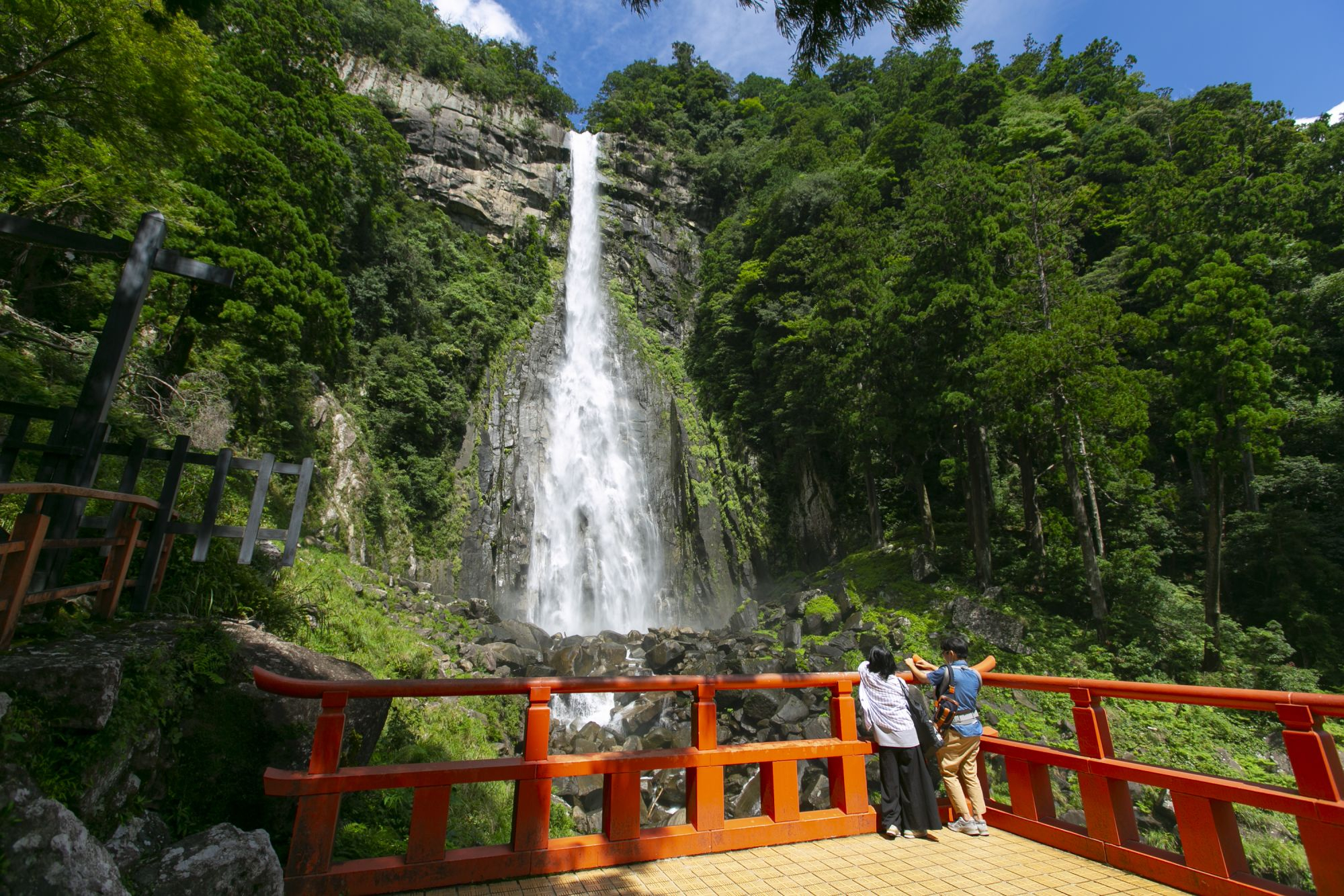
This National Park features a number of sacred sites and pilgrimage routes scattered along the Kii mountain range, listed as a UNESCO World Heritage Site in 2004. They include three sacred sites: Yoshino & Omine, Kumano Sanzan, and Koyasan, as well as various scenic paths known collectively as the Kumano Kodo. Nachi Falls is one of Japan’s best-known waterfalls and with a drop of 133 meters, is the tallest in the country. Yoshino-Kumano National Park features a variety of mountain, river and beach landscapes and encompasses the Omine mountain range. Every spring, Mt. Yoshino fascinates visitors with a panorama of cherry blossoms blanketing its slopes. To the south, along the coast of the Kii peninsula, warm ocean currents have produced beautiful coral reefs teeming with tropical fish. Snorkeling and diving are popular summer activities.
Japan’s national parks stretch from subarctic Hokkaido in the north to subtropical Okinawa in the south, welcoming visitors throughout the year with alluring scenery. Discover more of their diverse beauty and get inspiration for your future travel plans on the official Instagram account of National Parks Japan.
For more content for your articles and story ideas, visit Japan Online Media Center (JOMC).
Contacts
Mayuko Harada
Weber Shandwick JNTO Team
media_inquiry@jnto.go.jp