Feinstein Institutes research shows that psychiatric disorders are linked to dementia not through genetics, but alcohol use as shared cause
Feinstein Institutes research shows that psychiatric disorders are linked to dementia not through genetics, but alcohol use as shared cause
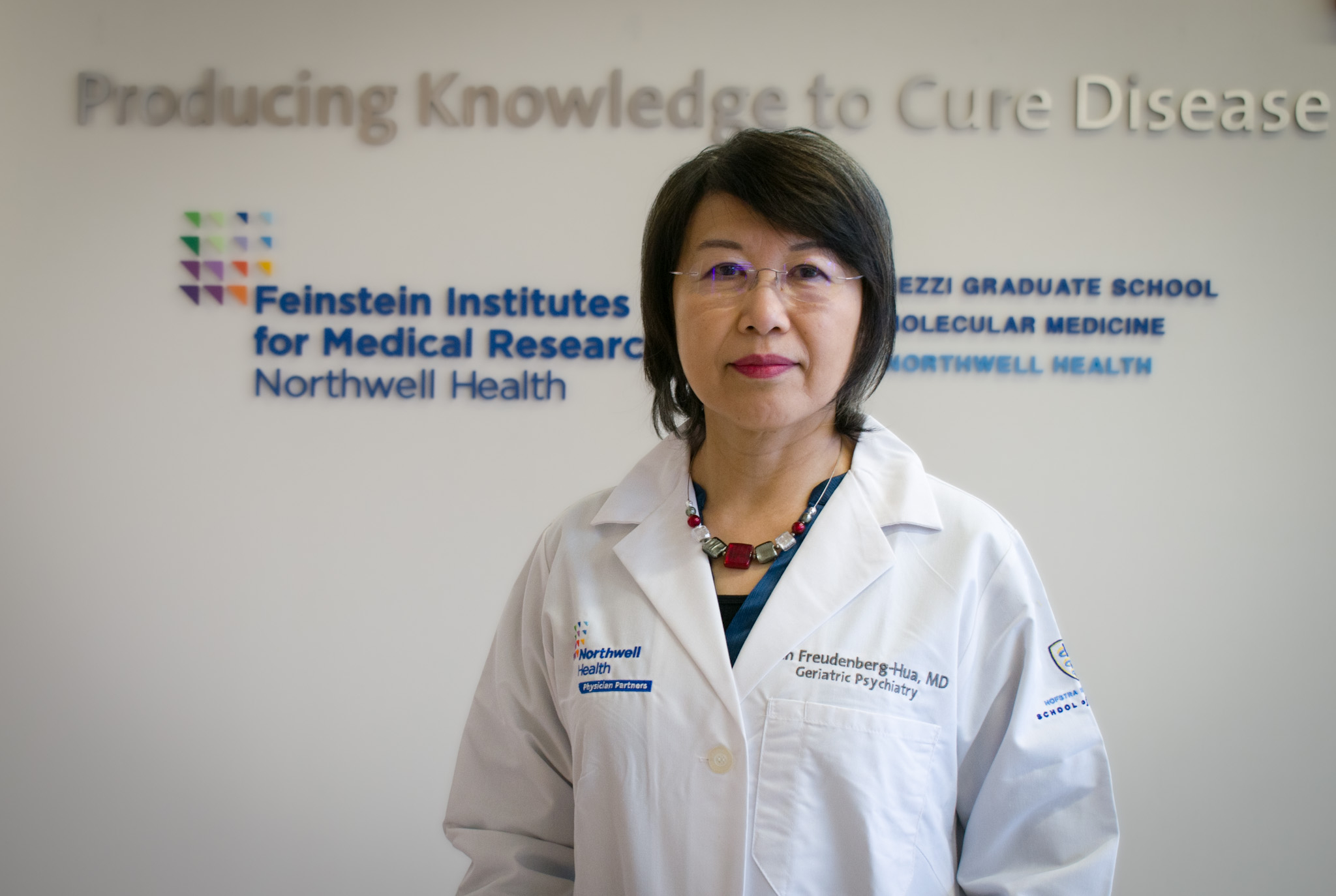
MANHASSET, N.Y.--(BUSINESS WIRE)--Dementia is a life-changing disease that alters memory, language and other cognitive functions in more than 55 million people worldwide. While psychiatric disorders have previously been evaluated as a predictor for dementia, a new study from researchers at The Feinstein Institutes for Medical Research provides evidence that psychiatric disorders before dementia onset are not connected to genetic dementia risks. Instead, they could be caused by shared underlying factors, including alcohol use disorder. The results of the new retrospective study are published this week in eBiomedicine, a Lancet journal.
Led by Yun Freudenberg-Hua, MD, associate professor in the Institute of Molecular Medicine at the Feinstein Institutes, the study looked at 500,000 participants in the UK Biobank – a large-scale biomedical database and research resource that enables new scientific discoveries to be made to improve public health. The results revealed that participants with at least one pre-dementia psychiatric diagnosis (PDPD) were 73 percent more likely to develop subsequent dementia, however this association between PDPD and dementia is not related to dementia polygenic risk.
“The cause of psychiatric disorders preceding the onset of dementia are still unknown, despite millions being diagnosed every year,” said Dr. Freudenberg-Hua, who is principal investigator on the study. “This research has helped us to recognize that alcohol use disorder greatly increases the chances of both psychiatric disorders and subsequent dementia. This paves the way for future research to better inform interventions and care.”
The study investigated the relationship between psychiatric disorders and known genetic risks of dementia. The findings noted that, in addition to genetic risks, environmental factors such as excessive alcohol consumption also contribute to dementia risk. The researchers conclude that shared risk factors may account for a large part of the association between psychiatric disorders and dementia, like alcohol use disorder that is a shared risk of both PDPD and dementia.
“Understanding dementia and its relationship with other mental health disorders, including environmental risk factors, is important for future research and patient care,” said Kevin J. Tracey, MD, president and CEO of the Feinstein Institutes and Karches Family Distinguished Chair in Medical Research. “Dr. Freudenberg-Hua’s study may improve dementia prevention.”
About the Feinstein Institutes
The Feinstein Institutes for Medical Research is the home of the research institutes of Northwell Health, the largest health care provider and private employer in New York State. Encompassing 50 research labs, 3,000 clinical research studies and 5,000 researchers and staff, the Feinstein Institutes raises the standard of medical innovation through its five institutes of behavioral science, bioelectronic medicine, cancer, health system science, and molecular medicine. We make breakthroughs in genetics, oncology, brain research, mental health, autoimmunity, and are the global scientific leader in bioelectronic medicine – a new field of science that has the potential to revolutionize medicine. For more information about how we produce knowledge to cure disease, visit http://feinstein.northwell.edu and follow us on LinkedIn
Contacts
Julianne Mosher Allen
516-880-4824
jmosherallen@northwell.edu