Therapeutic Doses of Blood Thinners Decrease Mortality for Hospitalized COVID-19 Patients
Therapeutic Doses of Blood Thinners Decrease Mortality for Hospitalized COVID-19 Patients
MANHASSET, N.Y.--(BUSINESS WIRE)--Nearing five years since the beginning of the coronavirus disease 2019 (COVID-19) pandemic, scientists continue to uncover the risk factors of blood clots and potential death for hospitalized and recently discharged patients with COVID-19. A new international study reveals that therapeutic doses of the common blood thinner heparin could significantly improve the survival rate of hospitalized patients with COVID-19.
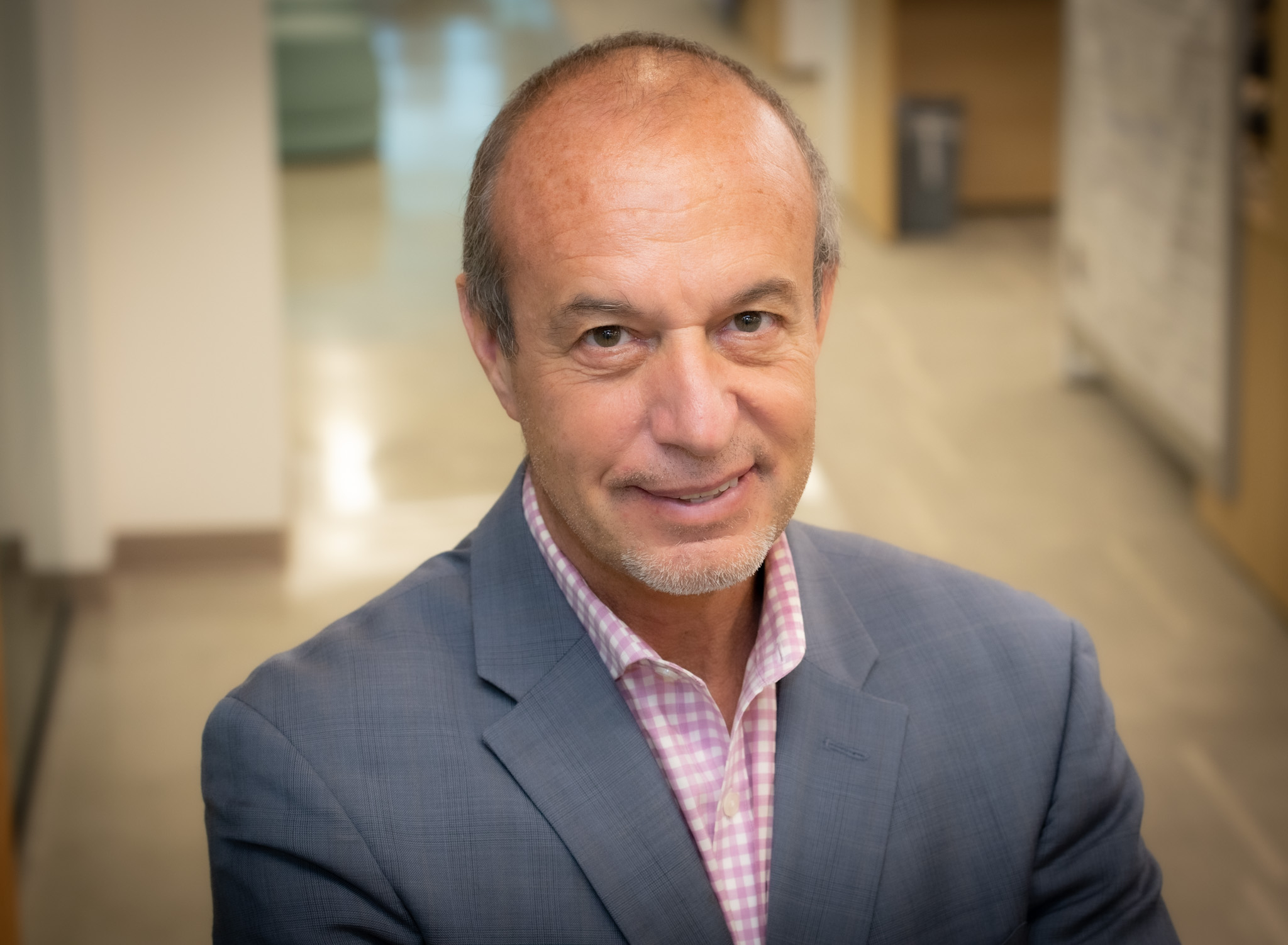
The comprehensive analysis of 22 clinical trials, 11,000 patients from 21 countries, coordinated by the World Health Organization (WHO), was published today in Annals of Internal Medicine. The analysis was designed to resolve conflicting findings from earlier research on blood thinner dosages for COVID-19 and included HEP-COVID, a trial led by Alex C. Spyropoulos, MD, professor in the Institute of Health System Science at the Feinstein Institutes for Medical Research. HEP-COVID found that giving therapeutic doses of heparin could significantly impact patient outcomes.
“Our findings provide crucial guidance for doctors treating hospitalized patients with COVID-19,” said Dr. Spyropoulos. “While blood thinners are already a standard part of care, this study provides evidence that giving therapeutic doses of heparin could significantly impact patient outcomes, including mortality, thromboembolic disease, and disease progression with need for higher level of supportive care. It's a delicate balance between preventing life-threatening clots and minimizing bleeding risks, highlighting the need for personalized treatment strategies based on each patient's unique situation. These results are relevant beyond the COVID-19 pandemic because they provide guidance on managing anticoagulation for patients hospitalized with viral respiratory illnesses and future pandemics.”
Researchers investigated three dosage levels of heparin-based blood thinners commonly used in hospital settings— a standard low or preventative dose, an intermediate dose and a high therapeutic dose — which revealed that patients receiving the higher therapeutic dose had a 23 percent lower risk of death within 28 days compared to patients receiving the lower-dosed thinners. These results mostly reflected patients who were in hospital wards but not in intensive care settings. However, the study also highlighted that higher doses of blood thinners were linked to increased risk of major bleeding.
“Blood clots are a dangerous complication in hospitalized patients with COVID-19,” said Kevin J. Tracey, MD, president and CEO of the Feinstein Institutes and Karches Family Distinguished Chair in Medical Research. “These important new findings give guidance for therapeutic protocols to reduce morbidity and mortality.”
The research was a prospective meta-analysis, a type of study that combines data from multiple clinical trials to provide a more complete understanding of a treatment's effects. This particular meta-analysis was global in scope and designed in collaboration with researchers from the individual trials before the results of those trials were known, ensuring a more unbiased, comprehensive, and definitive assessment.
Dr. Spyropoulos is a world-renowned expert in blood clots who has collaborated with researchers across the globe, particularly during the pandemic, to study clots in patients with COVID-19. Last year he published his research surrounding the PREVENT-HD clinical trial, which studied the efficacy of rivaroxaban – a commonly used prophylactic medication – in preventing blood clots, hospitalizations and death.
About the Feinstein Institutes
The Feinstein Institutes for Medical Research is the home of the research institutes of Northwell Health, the largest health care provider and private employer in New York State. Encompassing 50 research labs, 3,000 clinical research studies and 5,000 researchers and staff, the Feinstein Institutes raises the standard of medical innovation through its five institutes of behavioral science, bioelectronic medicine, cancer, health system science, and molecular medicine. We make breakthroughs in genetics, oncology, brain research, mental health, autoimmunity, and are the global scientific leader in bioelectronic medicine – a new field of science that has the potential to revolutionize medicine. For more information about how we produce knowledge to cure disease, visit http://feinstein.northwell.edu and follow us on LinkedIn.
Contacts
Julianne Mosher Allen
516-880-4824
jmosherallen@northwell.edu