Newsroom
Sorted by: Latest
-
Resumen: STARTEEPO envía una carta y una presentación al Consejo de Administración de Xerox en la que insta a tomar medidas para liberar valor a los accionistas
PRAGA--(BUSINESS WIRE)--STARTEEPO SICAV a.s. (“STARTEEPO”) ofreció hoy una presentación para inversores y la siguiente carta dirigida al Consejo de Administración (el «Consejo») de Xerox Holdings Corporation («Xerox» o la «Compañía») (NASDAQ: XRX). STARTEEPO, que ha incrementado su participación en Xerox hasta alcanzar una participación beneficiaria del 7.34 %, mediante acciones y opciones, insta al Consejo a adoptar medidas decididas para liberar un valor significativo para los accionistas, en...
-
Combate com as mesmas armas: Mobileum e Apate desmantelam operações de fraude de dentro para fora
CUPERTINO, Califórnia--(BUSINESS WIRE)--A Mobileum Inc. (“Mobileum”), líder global no fornecimento de soluções de análise e rede, e a Apate.ai (“Apate”) anunciaram uma parceria que equipa provedores de serviços de comunicação (CSPs) com recursos avançados de prevenção a fraudes baseados em IA, projetados para detectar, interceptar e investigar operações de chamadas fraudulentas. Segundo a Global Anti-Scam Alliance, fraudadores roubaram cerca de US$ 442 bilhões em 2025, sendo chamadas telefônica...

-
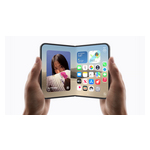
Apple unveils iPhone Duo
CUPERTINO, Calif.--(BUSINESS WIRE)--Apple® today introduced iPhone® Duo, the first foldable iPhone. Opened, it is the thinnest iPhone ever, with a 7.6-inch inner display that provides a large canvas for viewing content, gaming, and multitasking, and a special nano-texture finish that minimizes glare for an unparalleled viewing experience. Closed, the 5.4-inch outer display delivers 90 percent of the screen area of iPhone 18 Pro in a compact, pocketable design.1 Both displays share the same aspe...
-
SPG Acquires DFW Crating & Packaging
CHARLOTTE, N.C.--(BUSINESS WIRE)--Specialized Packaging Group (SPG), a leading provider of protective packaging products and services across North America and an Altamont Capital Partners portfolio company, announced it has acquired DFW Crating & Packaging, a Dallas-Fort Worth-based provider of custom crating and protective packaging solutions. The acquisition expands SPG’s capabilities into the Dallas-Fort Worth market and strengthens its ability to provide customers with a broader range o...

-
Knightscope Puts the Three Ways to Buy Security Side by Side
SUNNYVALE, Calif.--(BUSINESS WIRE)--Knightscope, Inc. (NASDAQ: KSCP), the security technology company building the nation’s first Autonomous Security Force, today published “Competitive Comparison,” the second field brief in its series, ahead of the Force’s live debut at GSX 2026, the Global Security Exchange, Booth #3905, September 14-16, 2026, at the Georgia World Congress Center in Atlanta. The Field Brief makes the case that security sold in pieces is broken by design and shows what buyers a...

-
CIS Announces Leadership Transition to Support Next Phase of Growth
ANN ARBOR, Mich.--(BUSINESS WIRE)--CIS, a national leader in community-based water infrastructure solutions, announced a planned leadership transition to support the company’s continued growth and evolution. Sanjiv K. Sinha, P.E., Ph.D., will transition from his role as Chief Executive Officer to Senior Advisor effective September 11, 2026, as CIS begins a search for its next CEO. During the transition, CIS’s Leadership Team—Sri Vedachalam, Managing Director of Advisory; Joey Monheit, Senior Op...

-
Tradeweb Announces Date for Third Quarter 2026 Financial Results
NEW YORK--(BUSINESS WIRE)--Tradeweb Markets Inc. (Nasdaq: TW), a global leader in electronic trading across asset classes, will release financial results for the third quarter of 2026 on Thursday, October 29, 2026, at approximately 7:00 AM EDT. In addition, Tradeweb will host a conference call for investors. WHO: Billy Hult, CEO Sara Furber, CFO Ashley Serrao, Head of Treasury, FP&A and IR WHAT: A discussion of financial results for the third quarter of 2026 followed by a question-and-ans...

-
Hyatt Announces Long-Term Strategic Collaboration with Delta Air Lines to Add Highly Sought After Benefits for Members Across the Globe
CHICAGO--(BUSINESS WIRE)--Hyatt Hotels Corporation (NYSE: H) and Delta Air Lines (NYSE: DAL) today announce a new, long-term strategic loyalty collaboration that will bring together two leading premium travel brands with a shared vision to shape the future of loyalty by creating a connected, personalized and rewarding experience for World of Hyatt and Delta SkyMiles members. When the collaboration launches, eligible elite members of both programs will be able to earn both World of Hyatt points...
-
Zayo lance l'Agentic Networking, intégrant directement les agents IA dans les opérations réseau
DENVER--(BUSINESS WIRE)--Zayo, le principal fournisseur d'infrastructure de réseau numérique, lance aujourd'hui l'Agentic Networking for DynamicLink, faisant passer le NaaS du contrôle de réseau défini par logiciel à un nouveau modèle qui permet aux agents IA d'entreprise de travailler directement avec le réseau pour la première fois. Zayo a introduit une nouvelle approche de mise en réseau définie par logiciel avec DynamicLink en septembre 2025. Maintenant que DynamicLink termine sa première a...
-
Smith Micro kondigt de eerste wereldwijde partnerlancering aan van SafePath Connect™, een oplossing voor de veiligheid van gezinnen
PITTSBURGH--(BUSINESS WIRE)--Smith Micro Software, Inc. (Nasdaq: SMSI) kondigde vandaag de eerste commerciële lancering aan van SafePath Connect™ , het eerste 'direct-to-consumer' aanbod van Smith Micro aangestuurd door zijn SafePath®-platform voor de veiligheid van gezinnen. De oplossing wordt beschikbaar gesteld aan consumenten in België, in samenwerking met Orange Belgium en de SaferPhone-oplossing bedoeld om gezinnen te helpen vanaf de eerste dag gezonde digitale gewoonten tot stand te bren...