

Newsroom
Sorted by: Latest
-
استحواذ Beacon على Haize Labs لتعزيز الذكاء الاصطناعي للاقتصاد الحقيقي
تورنتو وسان فرانسيسكو--(BUSINESS WIRE)--اليوم، أعلنتBeacon Software (Beacon)، وهي أول شركة قابضة مركزية للذكاء الاصطناعي، استحواذها على Haize Labs، وهي شركة موثوقية الذكاء الاصطناعي التي تختبر وكلاء الذكاء الاصطناعي وتحميها لنشرها في العالم الحقيقي. سينضم فريق Haize Labs إلى Beacon لتشكيل مجموعة أبحاث الذكاء الاصطناعي التطبيقية، وسينضم المؤسس المشارك والرئيس التنفيذي Leonard Tang كنائب رئيس لأبحاث الذكاء الاصطناعي لقيادة نظام تشغيله الذي يتم نشره في جميع شركات Beacon.تؤمن شركة Beacon بأن أسرع...
-
إطلاق Elliptic وكيل Decode للإجابة عن أسئلة المخاطر على السلسلة وعرض خطوات عمله
نيويورك--(BUSINESS WIRE)--أطلقت Elliptic، الشركة العالمية الرائدة في مجال إدارة المخاطر على السلسلة، اليوم وكيل Decode، وهو وكيل ذكاء اصطناعي مُبنَى على منصة الذكاء الاستخباراتي التابعة لشركة Elliptic. يجيب وكيل Decode عن الأسئلة بلغة طبيعية حول عناوين الأصول الرقمية وتعرضها للمخاطر في غضون ثوانٍ، ويعيد الأدلة الكامنة خلف كل إجابة.تحتاج فرق الامتثال والتحقيقات إلى إجابات عن أسئلة لم تكن ضمن الحسبان. وقد أصبحت القدرة على استخلاص هذه الإجابات من البيانات مهارةً تخصصية، مما يجعل تلك الأسئلة إما معل...
-
ASUS and Poesis Team Up on Autonomous Trading Agents Powered by NVIDIA Technologies
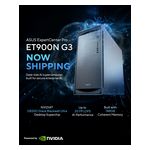
SAN FRANCISCO--(BUSINESS WIRE)--ASUS and Poesis today announced the results of a week-long experiment that successfully deployed agentic AI to trade autonomously in financial markets. The system ran entirely on the ASUS ExpertCenter Pro ET900N G3, a deskside supercomputer built on the NVIDIA DGX Station platform, powered by NVIDIA GB300 Grace Blackwell Ultra Desktop Superchip. Throughout the test, all models, agents, and workflows ran locally on the ASUS ExpertCenter, showing that agents can fu...
-
KBRA Assigns AA Rating, Stable Outlook to the Department of Water and Power of the City of Los Angeles, CA Power System Revenue Bonds, 2026 Series C
NEW YORK--(BUSINESS WIRE)--KBRA assigns a long-term rating of AA to the Department of Water and Power of the City of Los Angeles, CA ("LADWP") Power System Revenue Bonds, 2026 Series C. The Outlook is Stable. The long-term rating reflects the stable operating and financial performance of LADWP's Power System. LADWP is the exclusive provider of electric and water utility services within the City of Los Angeles. The Power System provides energy, transmission and distribution services to approxima...
-
SHxがビットトレードに上場、ストロングホールドの日本市場参入を示す
サンフランシスコ--(BUSINESS WIRE)--(ビジネスワイヤ) -- Stronghold(ストロングホールド)は、同社のエコシステムのネイティブ・トークンであるSHxが、日本の金融庁(FSA)登録済みの暗号資産交換業者であるビットトレードで取扱いを開始したと発表しました。 今回の上場により、日本のユーザーは販売所でSHxを直接売買できるほか、積立暗号資産を利用して定期購入できるようになります。貸暗号資産と取引所での板取引も、同プラットフォームで提供予定です。 今回の上場の意義 ビットトレードへの上場により、日本のトレーダーは、正式に登録された国内暗号資産取引所を通じてSHxを取引できるようになります。日本の暗号資産市場は、世界でも特に規制が厳しい市場の一つであり、金融庁登録済みの取引所にSHxが上場したことは、大半のトークンが満たしていない高い基準をクリアしたことを意味します。これは、ストロングホールドが厳格な規制枠組みの下で事業を展開できることの証しであり、アジアの他地域へ展開する際のモデルとなります。 提供開始時に利用可能なサービス 販売所:日本円建ての買値・売値を提...

-
Riassunto: Elliptic lancia il suo Decode Agent per rispondere alle domande sul rischio on-chain e mostra il suo lavoro
NEW YORK--(BUSINESS WIRE)--Elliptic, il leader globale nel rischio on-chain, oggi ha lanciato Decode, un agente AI creato sulla piattaforma di intelligence di Elliptic. L'agente Decode risponde in pochi secondi a domande in linguaggio naturale relative agli indirizzi dei criptoasset e alla loro esposizione, fornendo l'evidenza dietro a ogni risposta. I team addetti a conformità e indagini hanno bisogno di risposte a domande che nessuno ha previsto. Estrarle dai dati è ora una competenza da spec...
-
A Beacon adquire a Haize Labs para impulsionar a IA na economia real
TORONTO & SAN FRANCISCO--(BUSINESS WIRE)--A Beacon Software (Beacon), a primeira holding centralizada de IA, anunciou hoje a aquisição da Haize Labs, uma empresa de confiabilidade de IA que testa e protege agentes de IA para implementação no mundo real. A equipe da Haize Labs se juntará à Beacon para formar seu Grupo de Pesquisa em IA Aplicada; o cofundador e CEO Leonard Tang assumirá o cargo de vice-presidente de Pesquisa em IA, liderando o sistema operacional de IA implementado nas empresas d...
-
Beacon przejmuje Haize Labs w celu wsparcia AI na potrzeby gospodarki realnej
TORONTO i SAN FRANCISCO--(BUSINESS WIRE)--Firma Beacon Software (Beacon), pierwsza scentralizowana spółka holdingowa w dziedzinie AI, poinformowała dzisiaj o przejęciu Haize Labs, firmy wyspecjalizowanej w niezawodnej AI, która testuje i zabezpiecza agentów AI na potrzeby wdrożenia w rzeczywistych warunkach pracy. Zespół Haize Labs dołączy do Beacon, tworząc grupę ds. badań stosowanych w zakresie AI, a współzałożyciel i dyrektor generalny firmy, Leonard Tang, dołączy jako wiceprezes ds. badań n...
-
Beacon adquiere Haize Labs para impulsar la inteligencia artificial en la economía tradicional
TORONTO Y SAN FRANCISCO--(BUSINESS WIRE)--Beacon Software (Beacon), el primer holding centralizado de inteligencia artificial (IA), anunció hoy la adquisición de Haize Labs, una empresa especializada en fiabilidad de la IA que prueba y protege agentes de IA para su implementación en entornos reales. El equipo de Haize Labs se incorporará a Beacon para formar su grupo de investigación de IA aplicada. Su cofundador y director ejecutivo, Leonard Tang, asumirá como vicepresidente de investigación d...
-
Elliptic bringt seinen „Decode Agent“ auf den Markt, um Fragen zu On-Chain-Risiken zu beantworten, und legt seine Arbeitsweise offen
NEW YORK--(BUSINESS WIRE)--Elliptic, der weltweit führende Anbieter im Bereich On-Chain-Risiko, hat heute „Decode“ vorgestellt, einen KI-Agenten, der auf der Informationsplattform von Elliptic basiert. Der Decode-Agent beantwortet innerhalb von Sekunden Fragen in natürlicher Sprache zu Krypto-Asset-Adressen und deren Risiken und liefert die Belege für jede Antwort. Compliance- und Ermittlungsteams benötigen Antworten auf Fragen, mit denen niemand gerechnet hat. Diese aus den Daten zu gewinnen,...