Newsroom
Sorted by: Latest
-
Riassunto: PUMA introduce NITRO™ nel calcio con PUMA NITRO Lab a Los Angeles
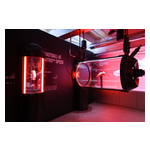
LOS ANGELES--(BUSINESS WIRE)--Il marchio globale di articoli sportivi PUMA oggi ha inaugurato PUMA NITRO™ Lab a Los Angeles, l'ultimo capitolo della sua piattaforma innovativa, e il più significativo dell'azienda ad oggi, segnando l'annuncio globale dell'ingresso di Ultra Nitro 7 e NITRO™ nel calcio per la prima volta su una scarpa da calcio. Le edizioni precedenti di NITRO™ Lab a Parigi, Tokyo e Londra hanno esplorato il futuro delle prestazioni della corsa e consolidato NITRO™ come la tecnolo...
-
ERAS DEADLINE ALERT: Faruqi & Faruqi, LLP Reminds Erasca (ERA) Investors of Securities Class Action Lawsuit Deadline on August 10, 2026
NEW YORK--(BUSINESS WIRE)--Faruqi & Faruqi, LLP, a leading national securities law firm, is investigating potential claims against Erasca, Inc (“Erasca” or the “Company”) (NASDAQ: ERAS) and reminds investors of the August 10, 2026 deadline to seek the role of lead plaintiff in a federal securities class action that has been filed against the Company. Faruqi & Faruqi is a leading national securities law firm with offices in New York, Pennsylvania, California and Georgia. The firm has rec...

-
CoreWeave Announces Pricing of $1.25 Billion of Senior Notes and €2 Billion of Senior Notes
LIVINGSTON, N.J.--(BUSINESS WIRE)--CoreWeave, Inc. (Nasdaq: CRWV) (“CoreWeave”) announced today that it priced a private offering of $1.25 billion aggregate principal amount of 9.625% senior notes due 2032 and €2 billion aggregate principal amount of 8.500% senior notes due 2032 (collectively, the “Notes”). The Notes will have a maturity date of July 15, 2032. The closing of the offering of the Notes is expected to occur on June 18, 2026, subject to customary closing conditions. The Notes will...

-
PUMA、ロサンゼルスに「PUMA NITRO™ Lab」を開設――フットボールスパイクにNITRO™技術を初搭載
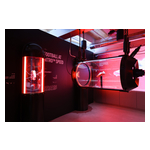
ロサンゼルス--(BUSINESS WIRE)--(ビジネスワイヤ) -- グローバルスポーツブランドのPUMA(プーマ)は、同社のイノベーションプラットフォームにおける最新かつこれまでで最も大規模な取り組みとして、ロサンゼルスに「PUMA NITRO™ Lab」を開設しました。今回の施設開設では、「Ultra Nitro 7」の世界初公開に加え、PUMAのNITRO™技術が初めてフットボールスパイクに搭載されることが発表されました。これまでパリ、東京、ロンドンで開催された「NITRO™ Lab」では、ランニングパフォーマンスの未来を探求し、「Fast-R3」を通じてNITRO™をエリートランニングを象徴する中核技術として確立してきました。現在、世界の注目がフットボールに集まるなか、ロサンゼルスを舞台に、その技術革新の歩みは新たな段階へ進みます。トラック競技を変革したイノベーションDNAが、世界最大の舞台でフットボールへと展開されます。 コミュニティを重視するPUMAのフットボール哲学に基づき、同施設はメディア公開に先立ち地域コミュニティへ門戸を開きました。メディア向け公開前には、ロ...
-
Sagility Acquires CareSeed to Accelerate AI-Led Quality Operations and Medicare Advantage Performance Transformation
ATLANTA--(BUSINESS WIRE)--Sagility, a leading tech-enabled healthcare operations and transformation company, today announced its acquisition of CareSeed, a U.S.-based healthcare analytics company specializing in NCQA-certified HEDIS quality reporting, medical record review, chart abstraction, and regulatory analytics for health plans. Founded in 2012 and headquartered in Kansas City, Missouri, CareSeed serves 30 small and mid-sized U.S. payers, with a strong footprint in Medicare Advantage. The...

-
Ciena anuncia una propuesta de emisión de bonos sénior convertibles
HANOVER, Maryland--(BUSINESS WIRE)--Ciena® Corporation (NYSE: CIEN) (la “Empresa”), líder global en conectividad de alta velocidad, anunció hoy su intención de emitir bonos sénior convertibles con vencimiento en 2031 por un monto principal total de USD 2000 millones (los “Bonos”) mediante una oferta privada (la “Oferta”). Los Bonos contarán con garantía plena e incondicional, en calidad de obligaciones sénior no garantizadas, por parte de cada filial nacional de propiedad absoluta de Ciena que...
-
A Ciena anuncia proposta de oferta de Títulos Seniores conversíveis
HANOVER, Maryland--(BUSINESS WIRE)--A Ciena® Corporation (NYSE: CIEN) (a “Empresa”), líder global em conectividade de alta velocidade, anunciou hoje sua intenção de oferecer US$ 2 bilhões em valor principal agregado de títulos seniores conversíveis com vencimento em 2031 (os “Títulos”) em uma oferta privada (a “Oferta”). Os Títulos serão integral e incondicionalmente garantidos, em base sênior não garantida, por cada subsidiária integral nacional da Ciena que atualmente garante ou venha a garan...
-
Curatis revoit à la hausse ses prévisions de croissance du chiffre d’affaires pour 2026
LIESTAL, Suisse--(BUSINESS WIRE)--Curatis Holding AG (SIX : CURN) revoit à la hausse ses prévisions de croissance du chiffre d’affaires pour l’exercice 2026 : la société table désormais sur une croissance d’environ 40 % en 2026, contre une prévision antérieure de plus de 25 %. Sur la base des chiffres préliminaires des cinq premiers mois de 2026, Curatis s’attend à une croissance du chiffre d’affaires nettement supérieure aux prévisions pour 2026. Cette croissance est tirée par les produits que...

-
PUMA introduce la tecnología NITRO™ en el fútbol con el PUMA NITRO™ Lab en Los Ángeles
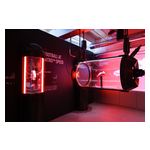
LOS ÁNGELES--(BUSINESS WIRE)--La marca deportiva global PUMA ha inaugurado hoy el PUMA NITRO™ Lab en Los Ángeles, el último capítulo de su plataforma dedicada a la innovación y el más importante de la empresa hasta la fecha, que marca el lanzamiento mundial de las Ultra Nitro 7 y la llegada de la tecnología NITRO™ al fútbol por primera vez en unos botines de fútbol. Las ediciones anteriores del NITRO™ Lab en París, Tokio y Londres exploraron el futuro del rendimiento en el atletismo y consolida...
-
Securities Fraud Investigation Into Alibaba Group Holding Ltd. (BABA) Continues – Shareholders Who Lost Money Urged To Contact The Law Offices of Frank R. Cruz
LOS ANGELES--(BUSINESS WIRE)--The Law Offices of Frank R. Cruz continues its investigation of Alibaba Group Holding Ltd. (“Alibaba” or the “Company”) (NYSE: BABA) on behalf of investors concerning the Company’s possible violations of federal securities laws. IF YOU ARE AN INVESTOR WHO LOST MONEY ON ALIBABA GROUP HOLDING LTD. (BABA), CLICK HERE TO INQUIRE ABOUT POTENTIALLY PURSUING A CLAIM TO RECOVER YOUR LOSS. What Is The Investigation About? On November 14, 2024, Financial Times published an a...