Newsroom
Sorted by: Latest
-
Rippling Opens AI Lab in Bengaluru to Accelerate the Future of AI-Powered Business Software
BENGALURU, India--(BUSINESS WIRE)--Rippling, the AI-native workforce management company, launched the Rippling AI Lab, a research and engineering group dedicated to continuous AI innovation. The AI Lab is based at Rippling's Embassy Tech Village campus in Bengaluru, the company's largest engineering hub outside its San Francisco headquarters. The AI Lab team develops core components of Rippling's AI platform, including infrastructure, evaluation frameworks, sandboxing, scaling, latency optimiza...

-
Rosen Law Firm Urges Ardelyx, Inc. (NASDAQ: ARDX) Stockholders with Large Losses to Contact the Firm for Information About Their Rights
NEW YORK--(BUSINESS WIRE)--Rosen Law Firm, a global investor rights law firm, announces a class action lawsuit on behalf of purchasers of common stock of Ardelyx, Inc. (NASDAQ: ARDX) between January 13, 2025 and August 6, 2026, inclusive (the “Class Period”). Ardelyx develops and commercializes medicines.For more information, submit a form, email attorney Phillip Kim, or give us a call at 866-767-3653.The Allegations: Rosen Law Firm is Investigating the Allegations that Ardelyx, Inc. (NASDAQ: AR...

-
韩国拟立法防止海外游戏企业设立“形式化国内代理人”…… 能应对实质性监管的专业合作伙伴备受瞩目
首尔,韩国--(BUSINESS WIRE)--(美国商业资讯)-- 韩国规模最大的IT/游戏服务专业企业Qroad(代表 吉浩雄)顺应这一市场变化,正在为海外游戏企业提供专业化的国内代理人指定代办服务。Qroad依托10年以上的丰富游戏服务运营经验,并与韩国顶尖律所建立合作体系,提供包括“合规指南”、“实务沟通(Human Agent)”以及“主要监管动态与监测报告”在内的一站式服务。 近日,韩国国会提出了旨在大幅强化海外游戏经营者“国内代理人”责任的《游戏产业促进法》部分修正案,使全球游戏企业的韩国市场应对策略面临紧迫调整。该修正案的核心在于提高此前仅停留在“形式化联系窗口”级别的国内代理人制度的实效性,并明确其在用户损害救济及投诉处理方面的法律责任。 修正案的主要内容旨在弥补此前部分海外游戏企业仅指定国内代理人而在保护用户方面态度消极的问题,强制要求提供实质性的用户保护。此外,针对现行《游戏产业促进法》中未指定国内代理人时缺乏实质性处罚的批评,修正案强化了处罚条款,包含了可被处以“纠正命令”乃至“暂停营业”等惩罚措施。 随着法律风险加大、监管日趋具体与严苛,面向韩国用户提供服务的...

-
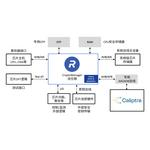
Rambus 推出适用于 Caliptra™ 规范的 CryptoManager™信任根,提升数据中心和AI SoC企业级安全
中国北京--(BUSINESS WIRE)--适用于Caliptra规范的CryptoManager信任根提供了一套可投入生产使用的信任根与安全编排解决方案,该方案可加速部署,并为关键任务数据中心和人工智能基础设施设备提供高级安全保护。...
-
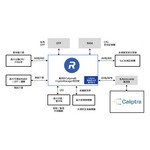
Rambus推出支援Caliptra™規範的CryptoManager™信任根 全面提升資料中心與AI SoC的企業級安全性
美國加州聖荷西訊--(BUSINESS WIRE)--Rambus 宣布推出支援Caliptra規範的CryptoManager信任根,旨在為資料中心與AI SoC提供企業級安全防護...
-
Securities Fraud Investigation Into Endava plc (DAVA) Announced – Shareholders Who Lost Money Urged To Contact Glancy Prongay Wolke & Rotter LLP, a Leading Securities Fraud Law Firm
LOS ANGELES--(BUSINESS WIRE)--Glancy Prongay Wolke & Rotter LLP, a leading national shareholder rights law firm, today announced that it has commenced an investigation on behalf of Endava plc (“Endava” or the “Company”) (NYSE: DAVA) investors concerning the Company’s possible violations of the federal securities laws.IF YOU ARE AN INVESTOR WHO LOST MONEY ON ENDAVA PLC (DAVA) CLICK HERE TO INQUIRE ABOUT POTENTIALLY PURSUING CLAIMS TO RECOVER YOUR LOSS.What Happened?On September 21, 2026, Enda...
-
VIVEE Makes a Mysterious Debut as HTC Teases What’s Next
SEATTLE & TAIPEI, Taiwan--(BUSINESS WIRE)--HTC, a global technology innovator that has helped shape how people connect and experience the world, today shared the first VIVEE teaser video across VIVE’s official global social media channels, including Facebook, Instagram, YouTube, TikTok, and X.As VIVEE quietly comes into view, HTC is preparing to reveal what comes next. Inspired by everyday life, this next step reimagines how technology can become a more natural part of how we connect—opening new...
-
شراكة بين Lenovo وSchneider Electric لتمكين شركاء قنوات تكنولوجيا المعلومات من أدوات وخبرات إزالة الكربون
موريسفيل، كارولاينا الشمالية--(BUSINESS WIRE)--أعلنت Lenovo اليوم انضمام Schneider Electric، الشركة العالمية الرائدة في مجال تكنولوجيا الطاقة، إلى Lenovo 360 Circle بصفة حليف استراتيجي، في خطوة تهدف إلى إتاحة خبراتها في مجال خفض الانبعاثات وأدوات إدارة الاستدامة لشركاء قنوات تكنولوجيا المعلومات بشكل مباشر.يُعد Lenovo 360 Circle مجتمع Lenovo العالمي للاستدامة، إذ يجمع شركاء القنوات من مختلف أنحاء العالم للتعاون في مواجهة التحديات المشتركة، وتسريع التحول نحو الاستدامة، وتحويل الطموحات المتعلقة بال...

-
DOCS INVESTOR DEADLINE: Doximity, Inc. Investors with Substantial Losses May Seek to Lead Class Action Lawsuit, Robbins Geller Rudman & Dowd LLP Announces - November 16, 2026 Deadline
SAN DIEGO--(BUSINESS WIRE)--The case alleges Doximity and certain of its top executives made false and/or misleading statement to investors....
-
Pierre Le Manh يعتزم التنحّي عن منصبي الرئيس والمدير التنفيذي لشركة PMI
فيلادلفيا--(BUSINESS WIRE)--أعلن Project Management Institute (PMI)، الجهة الرائدة عالميًا في مجال إدارة المشاريع، اليوم أن Pierre Le Manh قرر التنحّي عن منصبي الرئيس والمدير التنفيذي للمعهد، على أن يسري القرار اعتبارًا من 30 سبتمبر 2026. كما عيّن المعهد Johannes Heinlein، الرئيس التنفيذي لقطاع النمو، في منصب الرئيس والمدير التنفيذي المؤقت لـ PMI، على أن يسري التعيين أيضًا اعتبارًا من 30 سبتمبر 2026.انضم Pierre Le Manh إلى PMI في سبتمبر 2022. وخلال فترة تولّيه المنصب التي امتدت لأربعة أعوام، قاد...