Newsroom
Sorted by: Latest
-
Roquette présente ses innovations évolutives en matière d’administration de médicaments au salon CPHI China 2026
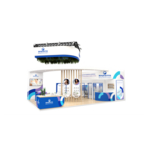
SHANGHAI--(BUSINESS WIRE)--Roquette, leader mondial des ingrédients d’origine végétale et des excipients pharmaceutiques, présentera son portefeuille complet de solutions innovantes d’administration de médicaments au salon CPHI & PMEC China 2026, qui se tiendra du 16 au 18 juin au Shanghai New International Expo Centre (SNIEC). Sous le thème « One Roquette for Innovations », la division Health & Pharma Solutions de Roquette exposera au stand E3D26, mettant en avant la manière dont son e...
-
NIQ (NYSE: NIQ) stellt auf der C360 sechs neue KI-gestützte Funktionen vor und setzt damit seine Vision für den „Agentic Commerce“ um
SAN ANTONIO--(BUSINESS WIRE)--NielsenIQ (NYSE: NIQ) hat heute auf der C360, der wichtigsten Kunden- und Branchenveranstaltung des Unternehmens, sechs neue KI-gestützte Funktionen vorgestellt und damit einen bedeutenden Meilenstein bei der Umsetzung der KI-Strategie von NIQ gesetzt. Die neuen Funktionen unterstützen Marken, Einzelhändler und andere Unternehmen dabei, verlässliche Marktinformationen in unternehmensweiten Arbeitsabläufen, KI-Umgebungen und der sich entwickelnden Welt des „Agentic...

-
Roquette apresenta inovações escaláveis em sistemas de administração de medicamentos na CPHI China 2026
XANGAI--(BUSINESS WIRE)--A Roquette, líder mundial em ingredientes de origem vegetal e excipientes farmacêuticos, apresentará seu amplo portfólio de soluções inovadoras para administração de medicamentos durante a CPHI & PMEC China 2026, que será realizada de 16 a 18 de junho no Shanghai New International Expo Centre (SNIEC), em Xangai. Sob o tema “One Roquette for Innovations”, a Unidade de Negócios Health & Pharma Solutions da Roquette estará presente no estande E3D26, demonstrando co...

-
Roquette presenta innovaciones escalables para la administración de fármacos en CPHI China 2026
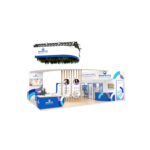
SHANGHÁI--(BUSINESS WIRE)--Roquette, un referente mundial en ingredientes de origen vegetal y excipientes farmacéuticos, presentará su extensa gama de soluciones innovadoras para la administración de fármacos en la feria CPHI & PMEC China 2026, que se celebrará del 16 al 18 de junio en el Nuevo Centro Internacional de Exposiciones de Shanghái (SNIEC). Bajo el lema “One Roquette for Innovations”, la unidad de negocio de Soluciones Farmacéuticas y de Salud de Roquette estará presente en el st...
-
Samenvatting: Data Center World onthult de inaugurale Data Center World Europe 2026
WENEN--(BUSINESS WIRE)--Data Center World, het topevenement voor het wereldwijde datacenter-ecosysteem, onthult de lancering van Data Center World Europe. Vandaag maakte Data Center World Europe de agenda van de conferentie bekend voor het inaugurale evenement. Verspreid over twee dagen pakt Data Center World Europe de meest dringende uitdaging van de sector aan: het energielandschap van Europa's datacenters transformeren. Het evenement brengt vooraanstaande operatoren, technologen, cloudprovid...
-
NIQ(NYSE:NIQ)在C360大會上推出六項全新AI功能,踐行其代理式商務願景
聖安東尼奧--(BUSINESS WIRE)--(美國商業資訊)-- NielsenIQ (NYSE: NIQ) 今日在公司的旗艦客戶及產業盛會C360上發布了六項全新的AI功能,標誌著NIQ人工智慧策略的執行邁出了重要一步。這些新功能將有助於品牌、零售商及其他機構在企業工作流程、AI環境以及新興的代理式商務領域中,有效利用可信賴的市場情報。 NIQ的AI價值創造策略建立在兩大基本原則之上: 傳遞市場全貌(The Full View™):結合業界最廣泛、最深入的資料集、先進的AI模型和豐富的內容,幫助企業獲得可操作的洞察,並大規模推動AI創新。 啟用AI驅動功能:透過NIQ先進的AI應用、助理和代理,將可信賴的情報和專有IP嵌入到客戶工作流程和企業環境中。 這些原則共同鞏固了NIQ作為可靠情報基礎設施的地位,為未來的商業發展提供動力。 「客戶希望以最適合他們的方式獲取值得信賴的、細緻入微的情報。」NIQ產品長Troy Treangen表示,「無論是透過NIQ應用程式、NIQ Optiq等AI助理、連網企業工作流程,還是與ChatGPT、Claude及未來前沿模型等頂尖AI技術的受控整合...

-
Riassunto: Data Center World presenta il nuovo Data Center World Europe 2026
VIENNA--(BUSINESS WIRE)--Data Center World, l'evento principale per l'ecosistema globale dei data center, presenta il lancio di Data Center World Europe. Oggi, Data Center World Europe annuncia il Programma della conferenza per l'evento di apertura. Nell'arco di due giorni, Data Center World Europe affronta la sfida più urgente del settore: trasformare lo scenario energetico dei data center in Europa. L'evento riunisce operatori, tecnici, fornitori di cloud, colossi informatici e innovatori nel...
-
Data Center World kündigt die erste Data Center World Europe 2026 an
WIEN--(BUSINESS WIRE)--Data Center World, die führende Veranstaltung für das globale Rechenzentrums-Ökosystem, gibt den Start der Data Center World Europe bekannt. Heute veröffentlicht Data Center World Europe das Konferenzprogramm der Erstauflage. An zwei Tagen beleuchtet die Data Center World Europe die dringlichste Herausforderung der Branche: die Transformation der Energielandschaft europäischer Rechenzentren. Die Veranstaltung versammelt führende Betreiber, Technologieexperten, Cloud-Anbie...

-
Afya Limited Releases 2025 Integrated Report
BELO HORIZONTE, Brazil--(BUSINESS WIRE)--Afya Limited (Nasdaq: AFYA; B3: A2FY34) (“Afya” or the “Company”), the leading medical education group and medical practice solutions provider in Brazil, announces the release of its 2025 Integrated Report. The document presents Afya's trajectory throughout 2025, representing the Company's best operational performance since IPO, and marks the full adoption of the Integrated Reporting framework, providing an integrated view of the Company's performance, s...

-
Data Center World annonce la première édition de Data Center World Europe 2026
VIENNE--(BUSINESS WIRE)--Data Center World, l’événement de référence pour l’écosystème mondial des centres de données, annonce le lancement de Data Center World Europe. Data Center World Europe dévoile aujourd’hui le programme de la conférence de cette première édition. Pendant deux jours, l’événement abordera le défi le plus urgent du secteur : transformer le paysage énergétique des centres de données en Europe. Il réunira des opérateurs de premier plan, des experts technologiques, des fournis...