Newsroom
Sorted by: Latest
-
L’AGIBOT X2 a été le VIP le plus inattendu du Festival de Cannes, faisant entrer la robotique humanoïde dans les univers de la mode, du cinéma et du luxe
CANNES, France--(BUSINESS WIRE)--Au Festival de Cannes 2026, où ont convergé cinéma, haute couture et célébrités, l’arrivée qui a le plus fait parler d’elle a été celle de l’AGIBOT X2. Ce robot humanoïde de pointe s’est illustré lors d’évènements prestigieux liés aux domaines de la mode, du sport et de la technologie. Des moments d’anthologie sur le tapis rouge à la séance photo pour la couverture de l’édition spéciale Cannes du magazine GRAZIA, le X2 a démontré l’intelligence et l’aisance soci...
-
GraniteShares、SPALおよびSNKを発表― SpaceXに対する2倍レバレッジおよびインバース投資機会を提供 ―
ニューヨーク--(BUSINESS WIRE)--(ビジネスワイヤ) -- レバレッジ型単一株ETFのラインアップで知られる独立系ETF発行体であるGraniteSharesは本日、以下のETFの設定を発表しました。 GraniteShares 2x Long SpaceX Daily ETF (ティッカー: SPAL) GraniteShares 2x Short SpaceX Daily ETF (ティッカー: SNK), これにより、SpaceXの株式が公開市場で取引を開始するタイミングにあわせて、同社のレバレッジ型単一株ETFのラインアップが拡充されます。 本ETFの導入により、投資家は世界で最も注目される企業の一つに対して、短期的な強気・弱気の見通しを表現するための新たな投資手段を得ることが可能となります。 長らく市場の関心を集めてきたSpaceXは、打上げサービス事業、Starlink衛星ネットワーク、そして急速に進化する商業宇宙産業におけるリーダーシップを背景に成長を遂げ、このたび公開市場への参入を果たしました。 ファンド概要 SPAL: GraniteShares 2...
-
GraniteShares Launches SPAL and SNK, Offering 2x Leveraged and Inverse Access to SpaceX
NEW YORK--(BUSINESS WIRE)--GraniteShares, an independent ETF issuer known for its lineup of leveraged single-stock ETFs, today announced the launch of GraniteShares 2x Long SpaceX Daily ETF (Ticker: SPAL) GraniteShares 2x Short SpaceX Daily ETF (Ticker: SNK), expanding its lineup of leveraged single-stock ETFs as SpaceX begins trading on public markets. The launch provides investors with new tools to express bullish or bearish short-term views on one of the most closely watched companies in the...
-
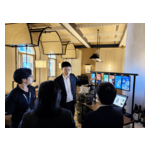
SOLUM Concludes Singapore Private Show, Expanding Smart Retail Partnerships Tailored to Southeast Asia
SINGAPORE--(BUSINESS WIRE)--SOLUM concludes its Singapore Private Show, expanding smart retail partnerships to drive business growth in the Southeast Asian market....
-
Dole amplía el segundo año de su campaña global de rotundo éxito con Minecraft, diseñada para el máximo rendimiento con una nueva experiencia orientada a la piña
CHARLOTTE, CAROLINA DEL NORTE--(BUSINESS WIRE)--Tras el éxito global de su primera colaboración de videojuegos saludables, Dole Food Company anunció hoy el lanzamiento de la siguiente fase de su alianza con Minecraft, para ampliar la campaña con nuevos contenidos, experiencias y un enfoque renovado en la piña relacionado con el legado de 125 años de Dole en el cultivo de esa fruta. Del 21 de junio al 3 de octubre de 2026, la campaña se apoya en la misión de Dole de Hacer del mundo un lugar más...

-
東邦ホールディングスのFAQに対する3Dの見解の公表について
東京--(BUSINESS WIRE)--(ビジネスワイヤ) -- 3D Investment Partners Pte. Ltd.が投資一任運用サービスを提供するファンド(以下、3D Investment Partners Pte. Ltd.と当該ファンドとを併せて「3D」)は、2020年7月に東邦ホールディングス株式会社(東証:8129、以下「東邦HD」)に投資を開始して以来、継続して同社の株式を保有し、現在、約24%の議決権を有する東邦HDの株主です。 本日、3Dは、東邦HDが2026年6月9日付で公表した「第78回定時株主総会に関するFAQ」(以下「本FAQ」)の全17問に対して見解を示す資料(以下「本資料」)を公表しました。本FAQは、その全17問のいずれにおいても、一次資料に基づく3Dの開示に対する具体的な反証を示していません。 本資料「買収防衛策発動に関する東邦HDのFAQ(6月9日)に対する3Dの見解」:https://www.3dipartners.com/engagement/toho-presentation-material-jp-202606.pdf 本資料...

-
ACM Investors Have Opportunity to Join AECOM Fraud Investigation with the Schall Law Firm
LOS ANGELES--(BUSINESS WIRE)--ACM Investors Have Opportunity to Join AECOM Fraud Investigation with the Schall Law Firm...

-
Die Pyxis Group, Principia Consulting und CommodityAI gehen eine Partnerschaft ein, um Agentic AI in den Rohstoffhandel zu integrieren
SAN FRANCISCO--(BUSINESS WIRE)--Die Pyxis Group, ein weltweit tätiges Beratungsunternehmen für die Rohstoffbranche, gab heute gemeinsam mit ihrem Joint-Venture-Partner Principia Consulting eine strategische Partnerschaft mit CommodityAI bekannt, der agentenbasierten KI-Plattform, die speziell für den physischen Rohstoffhandel entwickelt wurde. Die drei Unternehmen werden zusammenarbeiten, um Rohstoffhändlern, Produzenten und industriellen Abnehmern dabei zu helfen, ihre Handelsabläufe zu modern...

-
Pyxis Group, Principia Consulting et CommodityAI entrent en partenariat pour déployer l'IA agentique aux opérations de matières premières
SAN FRANCISCO--(BUSINESS WIRE)--Pyxis Group, une société mondiale de conseil au service de l'industrie des matières premières, en collaboration avec son partenaire de coentreprise Principia Consulting, annonce aujourd'hui un partenariat stratégique avec CommodityAI, la plateforme d'IA agentique spécialement conçue pour les opérations physiques sur matières premières. Les trois entreprises collaboreront pour aider les traders en matières premières, les producteurs et les consommateurs industriel...

-
GigaDevice élargit sa gamme de produits de communication optique avec les nouvelles séries de MCU GD32E512 et GD32E252 destinées aux modules optiques
SINGAPOUR--(BUSINESS WIRE)--GigaDevice, une entreprise leader dans le domaine des semi-conducteurs, spécialisée dans les mémoires Flash, les microcontrôleurs (MCU) 32 bits, les capteurs et les produits analogiques, a lancé les nouvelles séries de MCU GD32E512 et GD32E252, spécialement conçues pour les applications de modules optiques. En tant que fournisseur de premier plan de MCU pour les applications de modules optiques, GigaDevice a toujours accordé une attention particulière au marché des c...