Newsroom
Sorted by: Latest
-
مجموعة MultiBank Group تحصد جائزتين في معرض فوركس إكسبو دبي 2026
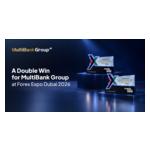
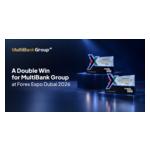
دبي، الإمارات العربية المتحدة--(BUSINESS WIRE)--حصلت مجموعة MultiBank Group، وهي واحدة من كُبرى المؤسسات في مجال المشتقات المالية في العالم، على جائزتين خلال مشاركتها في معرض فوركس دبي 2026، الذي أُقيم يومي 22 و23 سبتمبر في مركز دبي التجاري العالمي.يتناول هذا البيان الصحفي الوسائط المتعددة. يمكنك الاطلاع على البيان كاملاً هنا: https://www.businesswire.com/news/home/20260925359576/ar/حصلت مجموعة MultiBank Group على لقب "أفضل منظومة مالية مؤسسية عالمية لهذا العام"، كما حصدت جائزة "التميز في الابتك...
-
MultiBank Group remporte deux prix au Forex Expo Dubai 2026
DUBAÏ, Émirats arabes unis--(BUSINESS WIRE)--MultiBank Group, l'une des plus grandes institutions mondiales spécialisées dans les dérivés financiers, a reçu deux prix lors de sa participation au Forex Expo Dubai 2026, qui s'est tenu les 22 et 23 septembre au Dubai World Trade Centre. Le Groupe a été distingué « Meilleur écosystème financier institutionnel mondial de l'année » et a reçu deux prix pour son « Excellence en matière d'innovation sur les marchés financiers mondiaux et d'incidence soc...
-
マルチバンク・グループ、Forex Expo Dubai 2026にて2つの賞を受賞
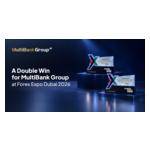
アラブ首長国連邦ドバイ--(BUSINESS WIRE)--(ビジネスワイヤ) -- 世界最大級の金融デリバティブ機関の1つであるマルチバンク・グループは、9月22日と23日にドバイ・ワールド・トレード・センターで開催されたForex Expo Dubai 2026への参加中に2つの賞を受賞しました。 マルチバンク・グループは「年間最優秀グローバル機関投資家向け金融エコシステム」に選出されたほか、「グローバル金融市場におけるイノベーションおよび地域社会への貢献における卓越性」に関する賞も受賞しました。 1つ目の賞は、マルチバンク・グループのグローバル機関投資家向けサービスの強みと幅広さを評価したものです。このサービスは、取引、流動性、テクノロジー、インフラ、執行、市場アクセス、および顧客の要望に合わせたソリューションを統合された金融エコシステムの中で提供しています。 2つ目の賞は、先進技術、金融商品、インフラの開発を含む金融市場の革新への継続的な投資、さらに金融教育、アクセシビリティ、金融業界全体の発展への貢献を評価したものです。 マルチバンク・グループの創設者兼会長であるナセル・タ...
-
MultiBank Group conquista dois prêmios na Forex Expo Dubai 2026
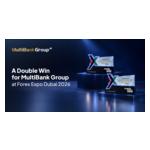
DUBAI, EAU--(BUSINESS WIRE)--O MultiBank Group, uma das maiores instituições financeiras de derivativos do mundo, recebeu dois prêmios durante sua participação na Forex Expo Dubai 2026, realizada nos dias 22 e 23 de setembro no Dubai World Trade Centre. O Grupo foi nomeado "Melhor Ecossistema Financeiro Institucional Global do Ano" e recebeu o prêmio pela "Excelência em Inovação nos Mercados Financeiros Globais e Impacto na Comunidade". O primeiro prêmio reconheceu a solidez e a abrangência da...
-
MultiBank Group在2026年杜拜外匯展上榮獲兩項大獎
阿聯杜拜--(BUSINESS WIRE)--(美國商業資訊)-- 全球最大的金融衍生品機構之一MultiBank Group在9月22日至23日於杜拜世界貿易中心舉行的2026年杜拜外匯展期間榮獲兩項大獎。 集團被評為「年度最佳全球機構金融生態系統」,並榮獲「全球金融市場創新與社群影響力卓越」獎。 第一個獎項肯定了MultiBank Group全球機構業務體系的實力與廣度——該體系將交易、流動性、技術、基礎架構、執行、市場准入及客製化客戶解決方案匯聚在一個整合式的金融生態系統之中。 第二個獎項則肯定了集團在金融市場創新方面的持續投入,包括先進技術、產品與基礎架構的開發,以及在金融教育、服務可及性和更廣泛的產業發展方面所做的貢獻。 MultiBank Group創辦人兼董事長Naser Taher表示:「我們很榮幸在2026年杜拜外匯展上榮獲這兩項大獎。這體現了我們對於建構一個以先進技術、強大基礎架構和法規監督為支撐的綜合金融生態系統的承諾。自2005年成立以來,我們始終專注於為全球市場的客戶提供可靠的解決方案,同時為金融服務業的持續發展做出積極貢獻。」 除得獎之外,2026年杜拜外匯...
-
MultiBank Group在2026年迪拜外汇展上斩获两项大奖
阿联酋迪拜--(BUSINESS WIRE)--(美国商业资讯)-- 全球最大的金融衍生品机构之一MultiBank Group在9月22日至23日于迪拜世界贸易中心举行的2026年迪拜外汇展期间获得两项大奖。 集团被评为“年度最佳全球机构金融生态系统”,并获得了“全球金融市场创新与社区影响卓越”奖。 第一个奖项认可了MultiBank Group全球机构业务体系的实力与广度——该体系将交易、流动性、技术、基础设施、执行、市场准入及定制化客户解决方案整合于一个一体化的金融生态系统之中。 第二个奖项则肯定了集团在金融市场创新方面的持续投入,包括先进技术、产品与基础设施的开发,以及在金融教育、服务可及性和更广泛的行业发展方面所作的贡献。 MultiBank Group创始人兼董事长Naser Taher表示:“我们很荣幸在2026年迪拜外汇展上获得这两项大奖。这体现了我们对于构建一个以先进技术、强大基础设施和监管监督为支撑的综合金融生态系统的承诺。自2005年成立以来,我们始终专注于为全球市场的客户提供可靠的解决方案,同时为金融服务行业的持续发展作出积极贡献。” 除获奖之外,2026年迪拜...
-
MultiBank Group recibe dos premios en la Forex Expo Dubai 2026
DUBÁI, Emiratos Árabes Unidos--(BUSINESS WIRE)--MultiBank Group, una de las instituciones de derivados financieros más grandes del mundo, recibió dos premios durante su participación en la Forex Expo Dubai 2026, que se llevó a cabo el 22 y 23 de septiembre en el Dubai World Trade Centre. El Grupo fue reconocido como el «Mejor ecosistema financiero institucional global del año» y recibió el premio a la «Excelencia en innovación en los mercados financieros globales y contribución a la comunidad»....
-
Die MultiBank Group wird auf der Forex Expo Dubai 2026 mit zwei Auszeichnungen geehrt
DUBAI, Vereinigte Arabische Emirate--(BUSINESS WIRE)--Die MultiBank Group, eines der weltweit größten Finanzderivate-Unternehmen, wurde im Rahmen ihrer Teilnahme an der Forex Expo Dubai 2026, die am 22. und 23. September im Dubai World Trade Centre stattfand, mit zwei Auszeichnungen geehrt. Der Konzern wurde zum “Best Global Institutional Financial Ecosystem of the Year“ gekürt und erhielt die Auszeichnung für „Excellence in Global Financial Markets Innovation and Community Impact“. Mit der ers...
-
Digital Reef firma un acuerdo de compra futura con Oreasoc Agriculture para reducir la huella ambiental del crecimiento de los centros de datos mediante la protección de la selva tropical y designa a Xange.com como socio de MRV digital
NUEVA YORK--(BUSINESS WIRE)--En el marco de Climate Week NYC, Digital Reef y Oreasoc Agriculture Inc. firmaron un acuerdo de compra futura que conecta la cartera de centros de datos de 3,3 GW de Digital Reef con activos ambientales generados en más de 30 millones de hectáreas de la Amazonia sudamericana. La iniciativa busca reducir la huella ambiental de su expansión mediante la protección y restauración de la selva, donde Oreasoc trabaja junto a comunidades locales para preservar la biodiversi...
-
Riassunto: Digital Reef sigla un accordo di prelievo con Oreasoc Agriculture per mitigare l’impatto ambientale della crescita dei data center tramite la protezione della foresta pluviale, nominando Xange.com partner per la dMRV
NEW YORK--(BUSINESS WIRE)--In occasione della Climate Week di New York, Digital Reef e Oreasoc Agriculture Inc. hanno siglato un accordo di prelievo che lega lo sviluppo dei data center da 3,3 GW di Digital Reef a oltre 30 milioni di ettari di foresta pluviale amazzonica, nel Sud America, allo scopo di mitigare l’impatto ambientale della crescita dei data center tramite la protezione e il ripristino della foresta pluviale, dove Oreasoc collabora con le comunità per proteggere la biodiversità, p...