Newsroom
Sorted by: Latest
-
GENESIS Pharma erweitert strategische Vertriebspartnerschaft mit Alnylam Pharmaceuticals bei RNAi-Therapeutika auf skandinavische Länder
ATHEN, Griechenland--(BUSINESS WIRE)--GENESIS Pharma, ein führendes regionales Biopharmaunternehmen, das auf die Vermarktung innovativer Arzneimittel in Europa spezialisiert ist, meldete heute die Ausweitung seiner langjährigen Vertriebspartnerschaft mit Alnylam Pharmaceuticals, Inc. (NASDAQ: ALNY), dem führenden Unternehmen im Bereich der RNAi-Therapeutika. Die erweiterte Vereinbarung umfasst nun neben den dreizehn Märkten in Südosteuropa, die bereits unter die Partnerschaft fallen, auch vier...

-
Sheppard Continues Private Equity Expansion with London Partner Gideon Sharp
LONDON--(BUSINESS WIRE)--Sheppard is pleased to announce that senior partner Gideon Sharp has joined the firm’s Corporate practice group and Private Equity industry team, where he also will serve as the London office managing partner. Sharp, a senior partner, joins from Simmons & Simmons where he was co-head of the firm’s International Private Equity practice for more than a decade, with a focus on complex mid and large cap transactions. Sharp strengthens the firm’s ability to serve clients...
-
GENESIS Pharma étend son partenariat commercial stratégique avec Alnylam Pharmaceuticals dans le domaine des thérapies fondées sur l'ARNi à la région nordique
ATHÈNES, Grèce--(BUSINESS WIRE)--GENESIS Pharma, une société biopharmaceutique régionale de premier plan spécialisée dans la commercialisation de médicaments innovants en Europe, a annoncé aujourd’hui l’extension de son partenariat commercial de longue date avec Alnylam Pharmaceuticals, Inc. (NASDAQ : ALNY), leader dans le domaine des thérapies fondées sur l'ARNi. L'accord élargi étend la portée géographique de la collaboration à quatre marchés nordiques – le Danemark, la Finlande, la Norvège e...

-
Riassunto: Wolters Kluwer amplia il suo spazio di lavoro Libra AI con contenuti giuridici autorevoli forniti dall'importante casa editrice svizzera Stämpfli
ALPHEN AAN DEN RIJN, Paesi Bassi--(BUSINESS WIRE)--Wolters Kluwer Legal & Regulatory oggi ha annunciato l'espansione di Libra by Wolters Kluwer, il suo spazio di lavoro legale basato sull'AI, per includere contenuti giuridici professionali forniti da Stämpfli Publishers, una delle case editrici di testi legali più autorevoli della Svizzera. Di conseguenza, i professionisti svizzeri del settore legale che utilizzano Libra by Wolters Kluwer ottengono l'accesso diretto alla letteratura legale...
-
Samenvatting: Wolters Kluwer breidt zijn portaal Libra AI uit met gezaghebbende Zwitserse juridische content van de vooraanstaande uitgeverij Stämpfli
ALPHEN AAN DEN RIJN, Nederland--(BUSINESS WIRE)--Wolters Kluwer Legal & Regulatory kondigde vandaag de uitbreiding aan van Libra by Wolters Kluwer, het juridische portaal van de uitgeverij aangestuurd door AI, om professionele juridische content te integreren van Stämpfli Publishers, een van de hoogst aangeschreven juridische uitgeverijen van Zwitserland. Op die manier krijgen Zwitserse juridische professionals die Libra by Wolters Kluwer gebruiken rechtstreeks toegang tot de juridische lit...
-
Resumen: Wolters Kluwer amplía Libra, su espacio de trabajo jurídico impulsado por IA, con contenido jurídico suizo de referencia de la editorial Stämpfli
ALPHEN AAN DEN RIJN, Países Bajos--(BUSINESS WIRE)--Wolters Kluwer Legal & Regulatory anunció hoy la ampliación de Libra by Wolters Kluwer, su espacio de trabajo jurídico impulsado por IA, con la incorporación de contenidos jurídicos profesionales de Stämpfli Publishers, una de las editoriales jurídicas más prestigiosas de Suiza. Gracias a esta incorporación, los profesionales del derecho en Suiza que utilizan Libra by Wolters Kluwer podrán acceder directamente a las obras y publicaciones j...
-
Vertex Presents New Data on CASGEVY®, Including First European Presentation of Data in Children Ages 5–11, at the European Hematology Association Congress and Announces Additional Global Regulatory Submissions
BOSTON--(BUSINESS WIRE)--Vertex Pharmaceuticals Incorporated (Nasdaq: VRTX) today announced data demonstrating the clinical benefits of CASGEVY® (exagamglogene autotemcel) in people ages 5 years and older living with severe sickle cell disease (SCD) or transfusion-dependent beta thalassemia (TDT). The results, from pivotal studies in children ages 5–11, show that the efficacy and safety outcomes in this age group are consistent with the transformative profile established in adult and adolescent...
-
AHS Properties erwirbt das Shangri-La Hotel für 1,1 Milliarden AED im Rahmen einer wegweisenden Transaktion an der Sheikh Zayed Road
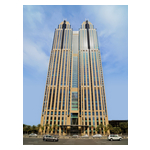
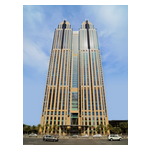
DUBAI, Vereinigte Arabische Emirate--(BUSINESS WIRE)--AHS Properties gab heute den Erwerb des Shangri-La Hotels für 1,1 Milliarden AED bekannt – eine der größten Einzelobjekt-Immobilientransaktionen der jüngeren Geschichte. Die von Mismak Asset Management erworbene Immobilie festigt eine der konzentriertesten Investitionen des privaten Sektors in die nächste Dekade der Sheikh Zayed Road. Das Shangri-La Hotel ist ein 43-stöckiger, 200 Meter hoher Turm an der Sheikh Zayed Road und war bei seiner...
-
AHS Properties adquiere el hotel Shangri-La por AED 1100 millones en una transacción emblemática en la avenida Sheikh Zayed
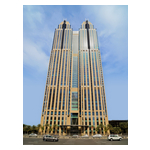
DUBÁI, Emiratos Árabes Unidos--(BUSINESS WIRE)--AHS Properties anunció hoy la adquisición del hotel Shangri-La por 1100 millones de dirhams emiratíes, lo que la convierte en una de las mayores transacciones inmobiliarias de un solo activo registradas en la historia reciente. Adquirida a Mismak Asset Management, la transacción consolida una de las apuestas más concentradas del sector privado en la próxima década de la avenida Sheikh Zayed. El hotel Shangri-La es una torre de 43 plantas y 200 met...
-
AHS Properties以11亿迪拉姆收购香格里拉酒店,完成谢赫扎耶德路标志性交易
阿联酋迪拜--(BUSINESS WIRE)--(美国商业资讯)-- AHS Properties今日宣布以11亿迪拉姆的价格收购香格里拉酒店,这是近年来有记录的最大单体资产房地产交易之一。 该资产是从Mismak Asset Management手中购得,这笔交易巩固了私营部门对谢赫扎耶德路未来十年前景的一次高度集中的投资。 香格里拉酒店是位于谢赫扎耶德路上的一栋43层、高200米的大厦,是2003年完工时该走廊首批开业的五星级酒店之一。 此次收购为AHS Properties的投资组合增添了一个标志性的核心资产,其投资组合已包括AHS Tower以及AHS City,前者是一个谢赫扎耶德路上近期售罄的甲级商业开发项目,后者是开发商在该走廊的旗舰总体规划综合用途社区,预计总开发价值达250亿迪拉姆。 这三项资产共同构成了走廊式的垂直布局战略:AHS Tower、AHS City,以及现在的香格里拉酒店。这些资产的总规模占据了AHS Properties截至2026年年底500亿迪拉姆项目管线的很大一部分。 AHS Properties创始人兼首席执行官Abbas Sajwani表示:...