Newsroom
Sorted by: Latest
-
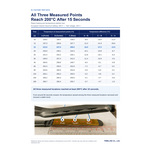
TIMELAB desenvolve prancha alisadora OEM/ODM que atinge 200°C em três pontos de medição distintos em 15 segundos
YOKOHAMA, Japão--(BUSINESS WIRE)--A TIMELAB Co., Ltd., uma fabricante japonesa de aparelhos de beleza (atuando nos modelos OEM/ODM), desenvolveu uma prancha alisadora destinada à personalização OEM/ODM para marcas internacionais de cuidados capilares e para o mercado profissional. Em testes realizados a 230 V com ajuste de 260°C, todos os três pontos de medição da placa atingiram pelo menos 200°C após 15 segundos. Testes de temperatura em três pontos da placa Uma unidade desenvolvida para o mer...
-
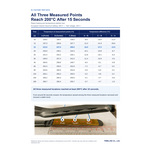
Samenvatting: TIMELAB ontwikkelt OEM/ODM-haarstijltang: binnen 15 seconden op alle drie de meetpunten 200 °C bereikt
YOKOHAMA, Japan--(BUSINESS WIRE)--TIMELAB Co., Ltd., een Japanse OEM/ODM-leverancier van schoonheidsapparatuur, heeft een stijltang ontwikkeld voor OEM/ODM-maatwerk voor internationale haarverzorgingsmerken en professionele markten. Bij tests op 230 V met een instelling van 260 °C bereikten alle drie de gemeten plaatpunten na 15 seconden een temperatuur van ten minste 200 °C. Driepuntsplaat-test Een ontwikkelingsmodel voor de Europese markt met een maximale instelling van 260 °C werd getest bij...
-
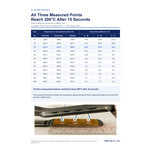
Riassunto: TIMELAB sviluppa la piastra stiracapelli OEM/ODM che raggiunge i 200°C in 15 secondi in tutti e tre i punti misurati
YOKOHAMA, Giappone--(BUSINESS WIRE)--TIMELAB Co., Ltd., un fornitore giapponese di dispositivi di bellezza OEM/ODM, ha sviluppato una piastra stiracapelli per la personalizzazione OEM/ODM destinata ai marchi internazionali nel settore della cura per capelli e ai mercati professionali. Nelle prove svolte a 230 V con un'impostazione a 260°C, tutti e tre i punti misurati sulla piastra hanno raggiunto almeno 200°C dopo 15 secondi. Il test dei tre punti della piastra Una unità di sviluppo per il mer...
-
HIMS INVESTOR DEADLINE: Hims & Hers Health, Inc. Investors with Substantial Losses Have Opportunity to Lead Class Action Lawsuit Before November 2, 2026 Deadline, Robbins Geller Rudman & Dowd LLP Announces
SAN DIEGO--(BUSINESS WIRE)--The case alleges Hims & Hers and its top executives made false and/or misleading statements to investors....

-
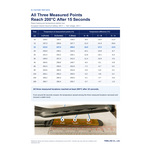
TIMELAB développe un lisseur de cheveux OEM/ODM atteignant 200°C aux trois points mesurés en seulement 15 secondes
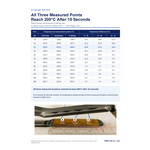
YOKOHAMA, Japon--(BUSINESS WIRE)--TIMELAB Co., Ltd., un fournisseur japonais d'appareils de beauté OEM/ODM, a développé un lisseur pour la personnalisation OEM/ODM destiné aux marques internationales de soins capillaires et aux marchés professionnels. Lors des essais à 230 V avec un réglage de 260°C, les trois emplacements de plaque mesurés ont atteint au moins 200°C après 15 secondes. Test de plaque en trois points Une unité de développement du marché européen avec un réglage maximal de 260°C...
-
APP Investors Have Opportunity to Lead AppLovin Corporation Securities Fraud Lawsuit with SBS Law
LOS ANGELES--(BUSINESS WIRE)--APP Investors Have Opportunity to Lead AppLovin Corporation Securities Fraud Lawsuit with SBS Law...

-
TIMELAB entwickelt einen OEM/ODM-Haarglätter, der innerhalb von 15 Sekunden an allen drei Messpunkten eine Temperatur von 200 °C erreicht
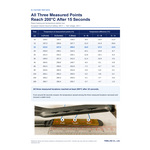
YOKOHAMA, Japan--(BUSINESS WIRE)--TIMELAB Co., Ltd., ein japanischer OEM/ODM-Anbieter von BeautyGeräten, hat einen Haarglätter entwickelt, der für internationale Haarpflegemarken und den professionellen Markt individuell angepasst werden kann. Bei Tests mit 230 V und einer Temperatureinstellung von 260 °C erreichten alle drei gemessenen Stellen an den Platten nach 15 Sekunden mindestens 200 °C. Testen der Platten an drei Stellen Ein für den europäischen Markt entwickeltes Gerät mit einer maxima...
-
INVESTOR ALERT: AST SpaceMobile, Inc. Investors with Substantial Losses Have Opportunity to Lead Class Action Lawsuit, Robbins Geller Rudman & Dowd LLP Announces - ASTS
SAN DIEGO--(BUSINESS WIRE)--The case alleges AST SpaceMobile and certain of its top executives made false and/or misleading statement to investors....

-
ISG Announces 2026 ISG Women in Digital Awards Winners for Asia Pacific
SYDNEY--(BUSINESS WIRE)--The 2026 ISG Women in Digital Awards named leaders with RiskSpan, Spark New Zealand, HCLTech, Wipro, Hamsa AI Labs and Microland Limited gold winners....

-
TIMELAB desarrolla una planchita para el cabello OEM/ODM que alcanza los 200 °C en las tres zonas de las placas en 15 segundos
YOKOHAMA, Japón--(BUSINESS WIRE)--TIMELAB Co., Ltd., empresa japonesa especializada en soluciones OEM/ODM para productos de belleza, desarrolló una planchita para el cabello personalizable para marcas internacionales de cuidado capilar y el mercado profesional. En las pruebas realizadas a 230 V y a 260 °C, las tres zonas de las placas alcanzaron al menos 200 °C a los 15 segundos. Pruebas de temperatura en tres zonas de las placas Una unidad destinada al mercado europeo, con una temperatura máxi...