Newsroom
Sorted by: Latest
-
VRRM Investors Have Opportunity to Lead Verra Mobility Corporation Securities Fraud Lawsuit with the Schall Law Firm
LOS ANGELES--(BUSINESS WIRE)--VRRM Investors Have Opportunity to Lead Verra Mobility Corporation Securities Fraud Lawsuit with the Schall Law Firm...

-
Coforge Wins Pega Industry Excellence Award for Government and Public Sector Transformation Work
GREATER NOIDA, India & PRINCETON, N.J.--(BUSINESS WIRE)--Coforge announced that it has been honored with the Pega Industry Excellence Award: Government and Public Sector from Pegasystems Inc....
-
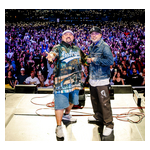
Industry Leader LiveCo Creates ICON LIVE, New Production and Promotion Powerhouse
NASHVILLE, Tenn.--(BUSINESS WIRE)--LiveCo, creator of the precedent-setting, sold-out SoFi Stadium show with comedians Gabriel Iglesias and Jo Koy, is dramatically broadening its entertainment footprint by merging Icon Concerts and MagicSpace Entertainment into ICON LIVE, a full-service entertainment brand and one of the largest independent promoters and producers of live events. The innovative new multi-genre, live entertainment platform combines the concert-promotion capabilities of Icon with...
-
ArborGen Strengthens Global Leadership Team to Support Continued Growth and Innovation
SUMMERVILLE, S.C.--(BUSINESS WIRE)--ArborGen announces key leadership appointments that strengthen global operations and support long-term growth and innovation....
-
How Are Youth Organizations Increasing Access to Soccer? Boys & Girls Clubs of America and its Partners Tackle Barriers and Turn Growing Demand for Soccer into Opportunities to Play
ATLANTA--(BUSINESS WIRE)--As the “summer of soccer” heats up nationwide, Boys & Girls Clubs of America is expanding efforts to meet rising interest in the sport by improving youth soccer access and tackling persistent barriers to participation. Across the U.S., families and communities are asking how to make soccer more accessible, and how more kids can participate in youth sports regardless of cost or location. The 2026 State of Soccer report, from the Aspen Institute’s Project Play initia...
-
Consumer Brands Launches Second Annual National Consumer Transparency Week
ARLINGTON, Va.--(BUSINESS WIRE)--Consumer Brands launches its 2nd annual National Consumer Transparency Week which highlights the CPG industry’s commitment to consumer transparency....
-
Fragrance Fête Debuts in New Orleans: Luxe Niche Brands and Madame Aucoin Perfume Present a New Luxury Fragrance Experience
NEW ORLEANS--(BUSINESS WIRE)--Fragrance Fête brings together niche perfume houses, fragrance experts, and enthusiasts to celebrate the art of scent in New Orleans, July 10-12....
-
First Trust Global Funds PLC UK Regulatory Announcement: Net Asset Value(s)
LONDON--(BUSINESS WIRE)-- Funds Date TIDM ISIN Code Shares in Issue Currency Net Asset Value NAV/per Share First Trust Dow Jones International Internet UCITS ETF 08.06.2026 FDNI.LN IE00BT9PVG14 450,002.00 USD 8,054,138.35 17.898 ...
-
First Trust Global Funds PLC UK Regulatory Announcement: Net Asset Value(s)
LONDON--(BUSINESS WIRE)-- Funds Date TIDM ISIN Code Shares in Issue Currency Net Asset Value NAV/per Share First Trust US Equity Income UCITS ETF 08.06.2026 UIGB IE00079WNSI6 2,591.00 GBP 68,498.61 26.437 ...
-
LegalShield® Housing Data Points to a Fracturing Market: Foreclosure Pressure Surging in the South, Recovery Taking Hold in the West
ADA, Okla.--(BUSINESS WIRE)--The U.S. housing market is splitting in two and geography is the fault line. New LegalShield data, drawn from 36 million consumer legal intakes, shows foreclosure pressure in the South at its highest point since 2019, even as Western markets stand as the only region running above pre-pandemic norms. The findings come from the LegalShield Consumer Stress Legal Index, a leading indicator of foreclosure filings, housing starts, and existing-home sales built on U.S. Cen...