Newsroom
Sorted by: Latest
-
Snap-on Acquires Diesel Laptops
KENOSHA, Wis.--(BUSINESS WIRE)--Snap-on Incorporated today announced that it acquired Diesel Laptops, LLC (“Diesel Laptops”) for approximately $100 million in cash on June 8, 2026....
-
Phillips 66 to Speak at J.P. Morgan 2026 Energy, Power, Renewables & Mining Conference
HOUSTON--(BUSINESS WIRE)--Phillips 66 to speak at J.P. Morgan 2026 Energy, Power, Renewables & Mining Conference....

-
Casey's Announces Fourth Quarter and Fiscal Year Results
ANKENY, Iowa--(BUSINESS WIRE)--Casey’s General Stores, Inc., ("Casey's" or the "Company") (Nasdaq symbol CASY) one of the leading convenience store chains in the United States, today announced financial results for the three months and year ended April 30, 2026. Fourth Quarter 2026 Key Highlights Diluted EPS of $4.37, up 66.2% from the same period a year ago. Net income was $162.7 million, up 65.5%, and EBITDA1 was $350.3 million, up 33.2%, from the same period a year ago. Inside same-store sal...
-
U.S. FDA Accepts Takeda's Application for Intravenous ENTYVIO® (vedolizumab) in Pediatric Ulcerative Colitis and Crohn's Disease
OSAKA, Japan & CAMBRIDGE, Mass.--(BUSINESS WIRE)--Takeda (TSE:4502/NYSE:TAK) today announced the U.S. Food and Drug Administration (FDA) has accepted for review its supplemental Biologics License Application (sBLA) for intravenous (IV) ENTYVIO® (vedolizumab) for the treatment of moderately to severely active ulcerative colitis (UC) and Crohn’s disease in pediatric patients ages 2 years and older. If approved, ENTYVIO would be the only gut-focused treatment option for these patients. This milest...
-
Circle to Speak at VivaTech 2026
NEW YORK--(BUSINESS WIRE)--Circle Internet Group, Inc. (NYSE: CRCL) announced today that Jeremy Allaire, Co-Founder, Chairman and Chief Executive Officer, will participate in a fireside chat at VivaTech on Wednesday, June 17, 2026, at 5:00 am ET, discussing “Digital Money, Real Power: The New Architecture of Finance.” The live audio webcast of the session will be available on Circle’s Investor Relations website at www.circle.com/investors. For those unable to listen to the live webcast, a repla...

-
Samenvatting: The Estée Lauder Companies versterkt zijn productienetwerk in het Verenigd Koninkrijk, terwijl de fabriek in Whitman 60 jaar Brits vakmanschap viert
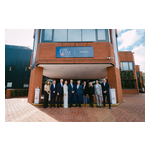
PETERSFIELD, Engeland--(BUSINESS WIRE)--Terwijl de productiefaciliteit van The Estée Lauder Companies (NYSE: EL) in Whitman haar 60-jarig jubileum viert, heeft het bedrijf vandaag een strategische investering aangekondigd. Deze investering zal het Britse productienetwerk versterken en daarmee het al lang bestaande engagement van het bedrijf voor Brits vakmanschap, innovatie en groei op het gebied van prestigieuze parfums verder benadrukken. Whitman werd opgericht in 1966 en vormt een strategisc...
-
進化する脅威に対応:BitGo、堅牢なモバイルアーキテクチャ、高度なポリシーコントロール、リアルタイムAPI認証によりセキュリティ基準を引き上げ
ニューヨーク--(BUSINESS WIRE)--(ビジネスワイヤ) -- デジタル資産インフラ企業であるBitGoホールディングス(NYSE:BTGO)(以下「BitGo」)は、機関向け暗号資産オペレーションにおいて変化し続ける脅威に対処する、デジタル資産セキュリティの新機能を発表しました。攻撃手法はより洗練されており、ディープフェイクやソーシャルエンジニアリングからAPIスプーフィングやアドレス操作にわたります。BitGoの最新の発表は、デジタル資産の取引を安全に行う構造転換を反映したものです。 これらの機能強化により、保護は取引のライフサイクルのより早い段階へ移行し、個別に認証可能なそれぞれのレイヤーにまたがって運用されます。取引は暗号的に正当で、かつ状況に応じて承認された後に初めて実行されるようシステムが構成されています。BitGoは意図、デバイス、アイデンティティ、行動、ポリシーの5つのレイヤーで取引を保護します。 意図レイヤーでは、BitGoは署名前に取引詳細をユーザーの意図と暗号的に紐付ける、リアルタイムAPI認証を導入しました。これにより、実行される内容がユーザーの承...

-
隨著威脅持續演變,BitGo透過安全行動架構、進階策略控制與即時API認證,進一步提升安全標準
紐約--(BUSINESS WIRE)--(美國商業資訊)-- 數位資產基礎設施公司BitGo Holdings, Inc.(NYSE: BTGO)(「BitGo」)今日宣布推出全新數位資產安全功能套件,旨在應對機構加密貨幣營運面臨的不斷變化的威脅。隨著攻擊手法日益複雜,從深度偽造與社交工程攻擊,到API欺騙與地址篡改,BitGo的最新發布反映了數位資產交易保護方式的結構性轉變。 這些增強功能將保護機制移至交易生命週期的更早階段,並跨越可獨立驗證的不同層級,從而建立一個在執行交易前,交易必須同時具備密碼學有效性與情境授權的系統。BitGo跨越五個關鍵層級保護交易,其中包括意圖、裝置、身分、行為與策略。 在意圖層級,BitGo推出了即時API驗證,在簽章前透過密碼學將交易細節與使用者意圖進行綁定。這有助於確保所執行的內容正是使用者所批准的內容,旨在緩解在使用者不知情的情況下篡改目的地地址或金額的一類攻擊。 在裝置與身分層級,BitGo將安全性從憑證擴展到硬體支援的驗證。BitGo Verify應用程式作為一個可信賴的執行介面,結合了生物識別、裝置認證與應用程式完整性檢查,以協助確保批准源...
-
NCR Atleos Investor Alert: Kahn Swick & Foti, LLC Investigates Adequacy of Price and Process in Proposed Sale of NCR Atleos Corporation - NATL
NEW YORK & NEW ORLEANS--(BUSINESS WIRE)--Former Attorney General of Louisiana Charles C. Foti, Jr., Esq. and the law firm of Kahn Swick & Foti, LLC (“KSF”) are investigating the proposed sale of NCR Atleos Corporation (NYSE: NATL) to The Brink’s Company (NYSE: BCO). Under the terms of the proposed transaction, shareholders of NCR will receive $30.00 in cash and 0.1574 shares of Brink’s common stock for each share of NCR that they own. KSF is seeking to determine whether this consideration an...
-
Duff & Phelps Utility and Infrastructure Fund Inc. Discloses Sources of Distribution – Section 19(a) Notice
CHICAGO--(BUSINESS WIRE)--The Board of Directors of Duff & Phelps Utility and Infrastructure Fund Inc. (NYSE: DPG), a closed-end fund advised by Duff & Phelps Investment Management Co., previously announced the following monthly distribution on March 16, 2026: Per Share Amount Ex-Date Record Date Payable Date $0.07 May 29, 2026 May 29, 2026 June 10, 2026 The Fund adopted a managed distribution plan (the “Plan”) in 2015. Under the Plan, the Fund will distribute all available investment i...